Introduction
introductionYou’ve probably seen it on a treatment menu or heard someone say, "PicoHi is the one that doesn’t burn your skin." While that’s not the whole story, there’s a reason more patients—especially those with stubborn pigmentation or acne scars—are asking about PicoHi.
Let’s walk through exactly what PicoHi is, why it’s different, and why it's earning trust among patients who want visible results without heavy downtime.
What Is PicoHi?
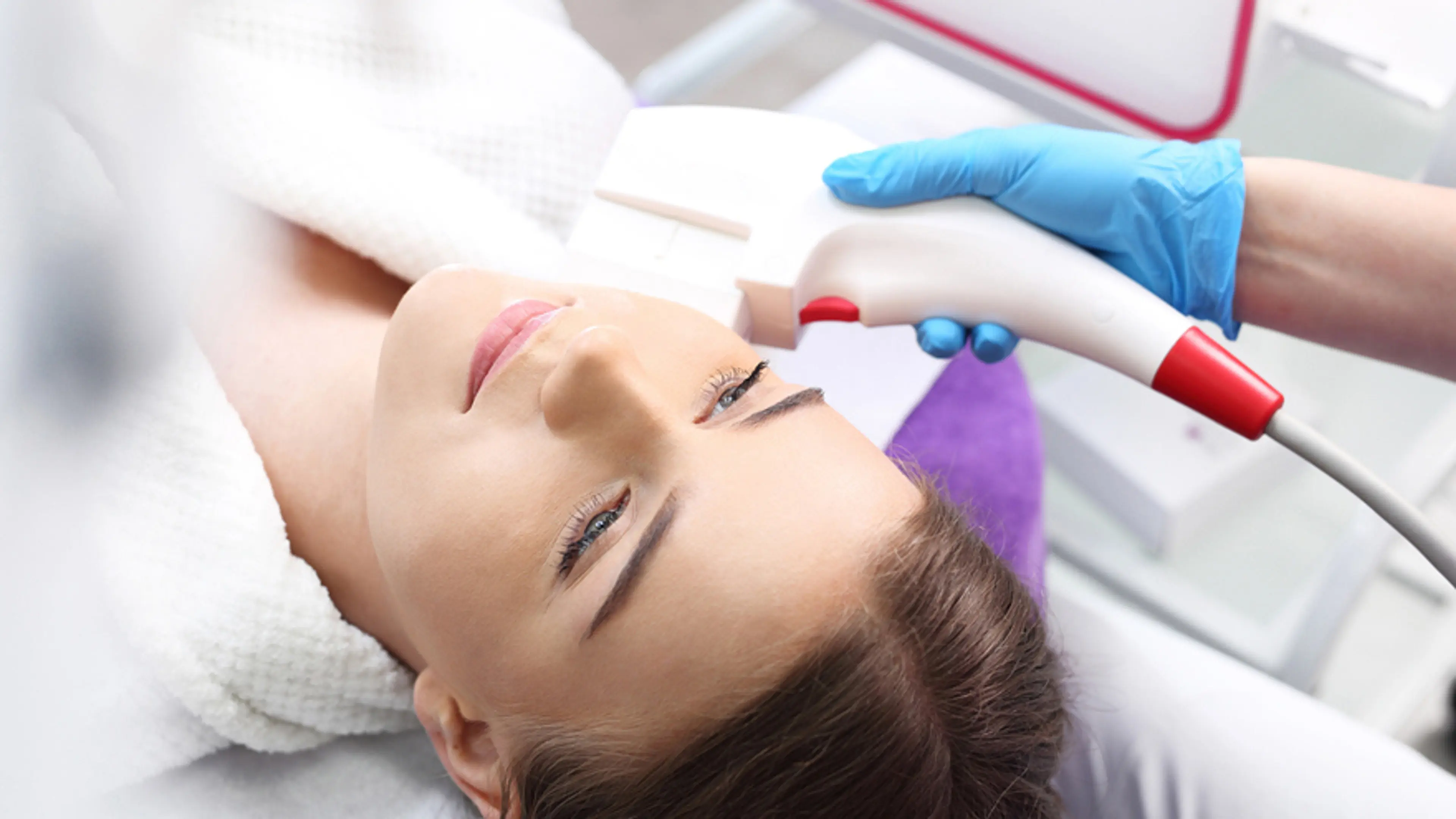
what-is-picohiPicoHi is a newer-generation picosecond laser system used in dermatology and aesthetics. Unlike traditional lasers that use longer pulse durations (in nanoseconds), PicoHi delivers energy in ultra-short pulses (around 300 picoseconds). It comes with dual wavelengths—532 nm and 1064 nm—designed to target both superficial and deep pigment, as well as stimulate dermal remodeling.
In simpler terms: it breaks up pigment and scar tissue with less heat and more precision.
PicoHi belongs to a broader family of picosecond laser platforms, which are rapidly gaining popularity due to their ability to treat a wide range of skin conditions with greater safety and efficacy. While the market includes other well-known systems like PicoSure and PicoWay, PicoHi stands out for its versatile handpieces, user-friendly interface, and precision targeting—making it a preferred choice in clinics across Asia.
How Is PicoHi Different From Other Lasers?
how-is-picohi-different-from-other-lasersPicosecond lasers like PicoHi don’t rely heavily on heat. Instead, they use a photoacoustic effect—delivering energy so quickly that it shatters pigment or scar tissue into tiny particles without causing thermal injury to surrounding skin. This leads to several benefits:
Less thermal damage to surrounding tissue
Lower risk of side effects like burns or post-inflammatory hyperpigmentation
Faster healing and reduced downtime, even after intensive treatments
Compared to older devices like nanosecond Q-switched lasers or fractional CO2 lasers, PicoHi is especially well-suited for:
Treating darker skin tones safely
Managing mixed-type pigmentation, such as melasma or PIH
Reducing acne scars and improving overall skin texture
This makes PicoHi a powerful option in multicultural urban clinics—like those in Seoul—where skin types and aesthetic goals vary widely.
Key Benefits of PicoHi for Patients
key-benefits-of-picohi-for-patients
1. Minimal Downtime and Thermal Damage
1.-minimal-downtime-and-thermal-damageBecause the laser pulses are so short, there’s less risk of heat spreading into surrounding skin. Most patients experience mild redness or swelling that subsides within hours to a day—no peeling, no crusting.
This minimal disruption to the epidermis makes PicoHi especially appealing for those who cannot afford downtime due to work, social engagements, or travel. It’s also a key reason why K-beauty travelers from overseas often seek out PicoHi during short stays in Seoul.
2. Effective for All Skin Types
2.-effective-for-all-skin-typesTraditional lasers often struggle with medium to dark skin tones, increasing the risk of post-inflammatory hyperpigmentation (PIH). PicoHi’s non-thermal mechanism makes it safer for Fitzpatrick skin types IV–VI.
This inclusivity has widened the appeal of pigment treatments. Patients with Asian, Hispanic, Middle Eastern, and African skin types—once told to avoid laser treatments—can now safely pursue pigmentation correction with less risk.
In our clinic, we see many patients of international backgrounds who are relieved to find a technology that respects the complexity of melanin-rich skin.
3. Faster, More Efficient Results
3.-faster-more-efficient-resultsThe ultra-short pulses break down pigment and scar tissue into smaller fragments, which the body can clear more efficiently through the lymphatic system. Many patients see faster results with fewer sessions compared to older lasers.
For example:
Freckles and sunspots may lighten significantly within 1–2 sessions.
Post-acne pigmentation typically improves after 2–3 sessions.
Stubborn melasma may take 4–6 sessions but responds better over time compared to other modalities.
In a world where time is precious, patients appreciate that PicoHi can deliver a clearer, more radiant complexion with fewer clinic visits.
4. Improves More Than Just Pigment
4.-improves-more-than-just-pigmentPicoHi not only targets pigment but also stimulates collagen and elastin remodeling, helping to smooth out acne scars, fine lines, and uneven skin texture. It’s a multi-tasking solution that offers both therapeutic and cosmetic benefits.
This dual-action effect is especially noticeable in patients with textural irregularities—such as enlarged pores or atrophic acne scars. Over time, the skin appears smoother, tighter, and more refined.
In some cases, we combine PicoHi with other non-invasive modalities—like RF microneedling or exosome serums—for even greater rejuvenation.
5. Precision and Versatility
5.-precision-and-versatilityWith multiple handpieces and wavelengths, PicoHi can be customized for various skin issues—from sunspots and melasma to post-acne scarring. The system allows fine-tuned treatments based on depth and skin type.
The 532 nm wavelength is ideal for superficial pigment (e.g., lentigines, freckles), while the 1064 nm penetrates deeper, making it effective for dermal melasma, nevus of Ota, and deeper scars.
This level of customization is critical in aesthetic medicine. No two patients are the same, and PicoHi allows clinicians to build personalized protocols that account for age, ethnicity, skin condition, and lifestyle.
6. Better Comfort During Treatment
6.-better-comfort-during-treatmentPatients often describe the procedure as tolerable—more like a light snapping sensation than the heat or burning that’s common with other lasers. That makes it a popular “lunch break” procedure.
Topical numbing cream is usually applied beforehand, and most sessions last 15–30 minutes depending on the treatment area. Side effects are typically limited to mild redness, which resolves within a few hours to a day.
Compared to more invasive lasers, patients find the PicoHi experience more manageable and less intimidating—making it suitable even for first-time laser users.
7. Smarter Technology for Better Outcomes
7.-smarter-technology-for-better-outcomesSome systems come with diagnostic tools, treatment tracking, and remote support, making it easier for clinics to maintain consistent results and optimize each session.
PicoHi’s Remote Maintenance System (RMS) allows real-time software updates, handpiece calibration, and even session parameter logging. This ensures safety and consistency across treatments—particularly valuable for clinics managing large patient volumes or multi-language teams.
What the Research Says
what-the-research-says
Clinical studies on picosecond lasers show significant improvement in pigmentation and acne scarring with minimal side effects.
One study in Asian patients using a 300 ps Nd:YAG laser reported skin brightening and scar softening after 3–5 sessions, with a very low incidence of adverse events.
Comparative data also show that picosecond lasers outperform nanosecond systems in both pigment fragmentation efficiency and collagen stimulation.
Research published in dermatology journals has confirmed lower PIH rates among patients treated with picosecond lasers compared to Q-switched devices.
Overall, the evidence supports PicoHi as a clinically validated, low-risk option for skin pigmentation and scar management.
What Patients Should Keep in Mind
what-patients-should-keep-in-mindEven with PicoHi’s advantages, realistic expectations are important. Here’s what we tell our patients during consultation:
Multiple sessions are often needed (3–6+) depending on the condition.
Melasma, due to its hormonal and vascular components, may require long-term maintenance.
Aftercare matters. Strict sun protection, gentle skincare, and sometimes topical agents are crucial to prevent recurrence.
Costs may be higher per session compared to conventional treatments, but the efficiency may make it more cost-effective long term.
Practitioner experience plays a big role—correct fluence, spot size, and pulse duration must be tailored per case.
We’ve seen cases where patients received suboptimal treatments elsewhere due to overly aggressive settings or poor aftercare guidance. This is why a skilled, honest, and experienced provider is just as important as the machine itself.
Why It’s Trending Now
why-it's-trending-nowPatients today are more informed and less willing to risk downtime or side effects for cosmetic results. They want treatments that:
Offer visible improvement without social downtime
Are safe for their skin type and concerns
Can be completed during lunch breaks or short travel windows
Clinics, too, are upgrading their devices to stay competitive and offer safer, faster, and more comfortable options.
In Asia—especially places like Seoul—where the beauty ideal is clean, radiant, and natural-looking skin, PicoHi fits perfectly into the aesthetic philosophy. It delivers refined, undetectable enhancements rather than dramatic changes.
At DoctorPetit Myeongdong, many of our international clients choose PicoHi during their visit to Korea. They value our transparent consultations, multilingual support, and medically supervised care—all of which contribute to a safe, empowering treatment journey.
Is PicoHi Right for You?
is-picohi-right-for-youIf you have sunspots, post-acne pigmentation, mild scars, or melasma—and want a treatment with minimal risk and downtime—PicoHi may be worth considering.
Whether you're in your 20s dealing with stubborn acne marks, or in your 40s looking to soften age spots and boost skin texture, this technology offers a non-invasive, scientifically supported option.
At DoctorPetit Myeongdong, we use advanced picosecond lasers like PicoHi to deliver customized, skin-type-safe solutions with visible results. Whether you're visiting Seoul or living locally, our team offers honest consultations in Korean, English, Japanese, and Chinese to help you make the right choice for your skin.