Home / Articles
Ultherapy vs Thread Lift: Which Lifting Works Best in 2026
Home / Articles
Ultherapy vs Thread Lift: Which Lifting Works Best in 2026
The confusion between Ultherapy and thread lift is remarkably common, and it's not your fault. Most aesthetic clinic websites treat them as interchangeable "non-surgical lifting options" without explaining the fundamental differences in mechanism, timeline, longevity, or ideal candidates. Patients make decisions based on incomplete information and then feel regretful when results don't match expectations. What you need is a direct, honest comparison that helps you understand not just what each treatment does, but which one aligns with your specific aging concerns and expectations.
By the end of this guide, you'll understand how Ultherapy and thread lift create lifting through completely different mechanisms. You'll see realistic before/after results for each treatment on diverse skin types and facial structures. You'll know the exact timeline for results, the downtime and recovery experience, and how long results actually last. You'll have a clear cost comparison across Seoul, New York, Los Angeles, Miami, and Chicago. Most importantly, you'll have a concrete framework for deciding which treatment or whether combining both is right for your face and your goals. We'll also explain when patients choose one over the other, what the actual experience is like, and what to realistically expect in the weeks following your treatment.
As a boutique aesthetic clinic in Seoul with over 10 years of experience performing both Ultherapy and thread lift procedures, DoctorPetit Myeongdong has guided thousands of international patients through this exact decision. Our team of board-certified physicians including Dr. Kyung Deok Go with 20+ years in aesthetic medicine, Dr. Se Rim Oh specializing in non-invasive skin lifting, and Dr. Lee Jeong Ryeong expert in customized anti-aging treatments brings clinical depth and real-world patient outcomes to this comparison.
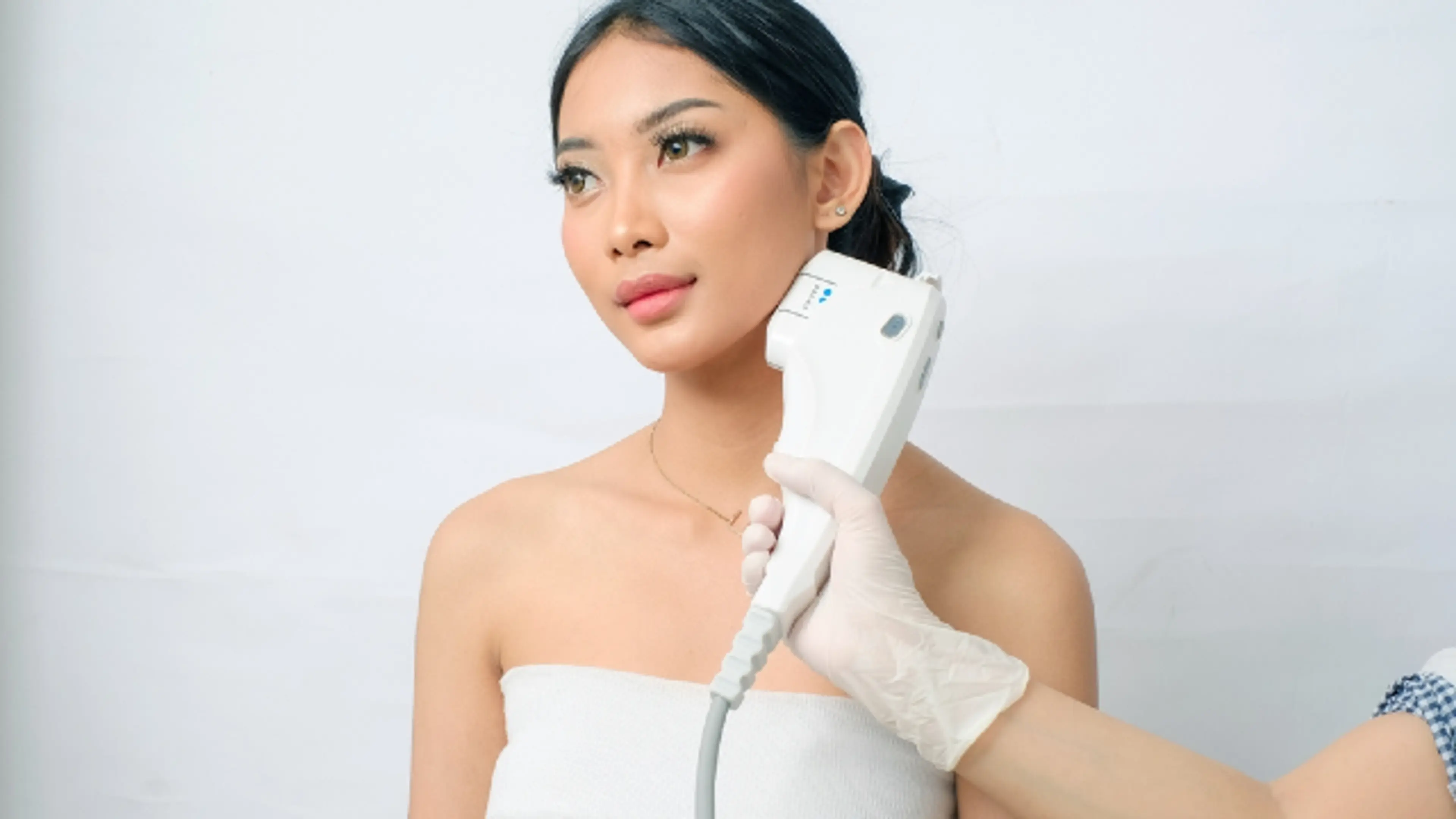
The procedure works by creating what are called microthermal zones at specific depths within your skin typically at 1.5 millimeters, 3.0 millimeters, and 4.5 millimeters below the surface. Think of these zones as precise "wake-up calls" to dormant collagen and elastin fibers. The thermal energy triggers your body's natural healing response, which initiates a cascade of collagen remodeling and rebuilding. Unlike laser treatments that primarily work on surface skin layers, Ultherapy's deep penetration means it creates structural lift rather than just surface tightening.
The actual procedure takes between 30 and 90 minutes depending on the treatment area whether you're treating just the full face, or extending to the neck and décolletage region. During the treatment, you'll experience warmth and tingling sensations, and occasionally pinpoint discomfort as the ultrasound pulses reach different depths. No anesthesia is required, though many clinics apply numbing cream beforehand to enhance comfort. The sensation is unusual but not painful for most patients it's more of a strange, unfamiliar pressure than anything truly uncomfortable.
Understanding the Ultherapy timeline is crucial because this treatment is fundamentally different from procedures that show immediate results. Patience is part of the process.
In the immediate post-procedure period on Day 1, you might notice minimal visible change. Your skin may appear slightly flushed similar to mild sunburn and some patients report a subtle tightness or lifting sensation, but this is usually not dramatic. Many patients leave thinking "that's it?" without realizing the real work is happening at the cellular level.
During weeks 1-3, subtle initial tightening begins as collagen remodeling initiates. However, most patients see no obvious visible change that would be noticeable to observers. Your friends and family won't comment on your appearance during this phase because the improvement is genuinely subtle and internal.
By weeks 4-8, progressive improvement becomes visibly apparent. Skin appears more lifted, especially along the jawline and in the mid-face area. This is typically when patients begin receiving genuine compliments people notice something is different but often can't pinpoint exactly what has changed. They might say "you look refreshed" or "your skin looks really nice" without realizing you've had a procedure.
The peak results timeline occurs around weeks 8-12. Collagen has substantially remodeled by this point, and lifting is most pronounced at the 12-week mark. This is when you'll see the full transformation that Ultherapy can deliver.
From months 3-6, results stabilize as collagen continues to strengthen over time. Some providers suggest continued subtle improvement through the 6-month mark, though the most dramatic changes have already occurred. This gradual, progressive nature is the key differentiator from thread lift Ultherapy's results build slowly but develop into sustained, biological improvement.
Thread lift operates on an entirely different principle than Ultherapy. Rather than triggering biological rebuilding, thread lift uses biocompatible, dissolvable threads typically made from PDO, which is polydioxanone, the same material used in dissolvable surgical sutures to mechanically lift and support sagging skin.
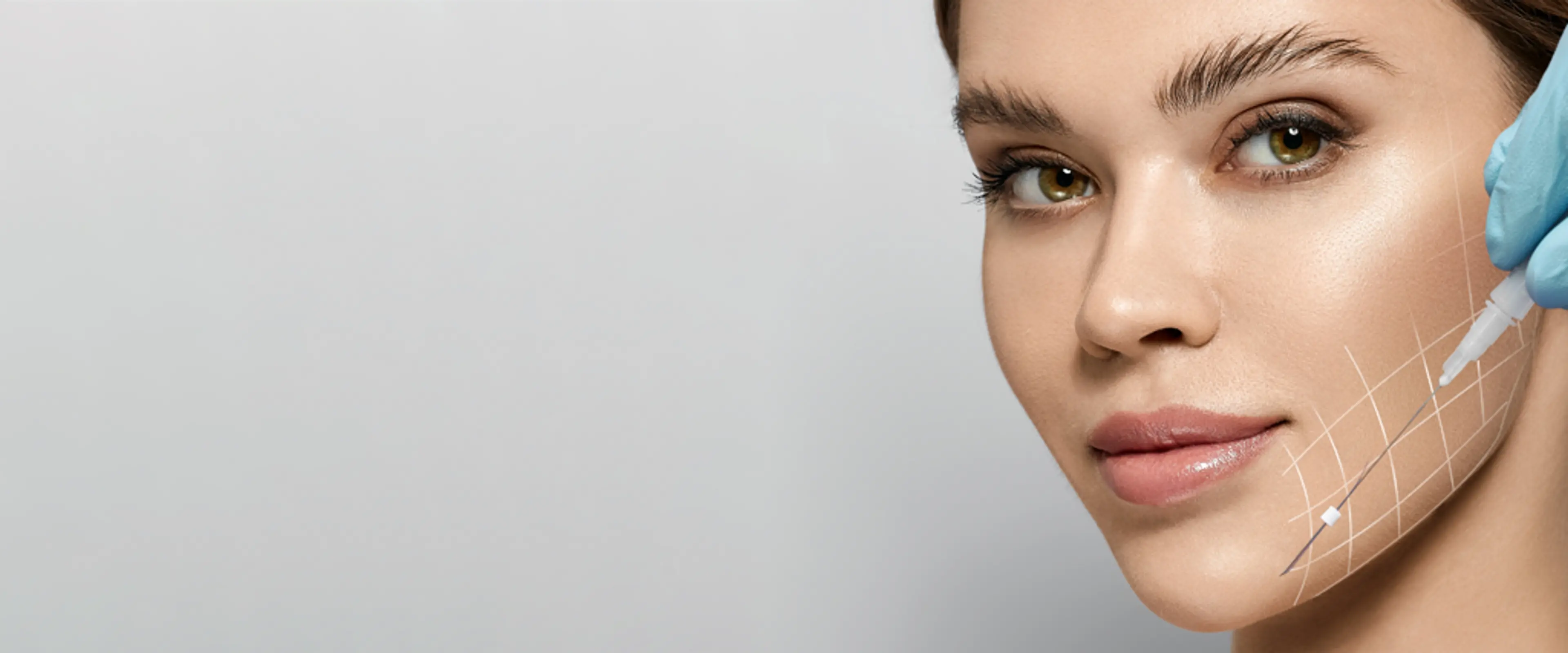
During the procedure, these threads are inserted beneath the skin surface using a thin needle or cannula in carefully planned patterns designed to target specific facial areas. Whether your concern is jawline definition, cheek lift, mid-face sagging, under-eye puffiness, or neck looseness, the threads are positioned to address those specific areas. The threads have tiny barbs or cones that catch and hold tissue, creating immediate structural lift. This is mechanical support the threads are literally pulling tissue upward rather than biological rebuilding.
There are two primary thread types used in modern practice. Barbed threads provide the strongest mechanical grip and create more dramatic lifting, while smooth threads provide less mechanical lift but also stimulate collagen deposition as they dissolve, creating a hybrid mechanism that combines immediate support with some biological benefit.
Unlike Ultherapy, thread lift results follow a completely different arc. The lift is present immediately, but it gradually diminishes over time.
On Day 1 immediately post-procedure, visible lift is already present. Your jaw appears more defined, your mid-face more lifted. However, swelling and bruising are often obscuring the full effect at this stage. Many patients are surprised by how much lift they already see, even beneath the bruising.
During days 1-3, swelling and bruising typically peak. The lift is definitely there beneath the swelling, but it can be hard to appreciate through the inflammation. This is often the most psychologically challenging period for patients you know the results are there, but you look worse before you look better.
By days 4-7, swelling subsides significantly and the lift becomes very obvious. The results are most dramatic at this stage. Patients often feel excited during this window because the gratification is immediate and obvious. You can see the difference in photographs, and people begin commenting on how well you look.
Results remain strong through weeks 2-4, with swelling fully resolved and the lifting effect most pronounced. This is often when patients feel most confident about their treatment choice.
However, from months 2-3 onward, threads begin to dissolve. The mechanical support gradually decreases as the threads resorb. The collagen that has been deposited around the threads provides some biological support, but it cannot fully replace the mechanical grip of the intact threads.
By months 4-9, threads continue resorbing and results gradually diminish as mechanical support decreases. The lift becomes progressively softer and less dramatic. By 9-12 months, threads have fully dissolved and the mechanical lift is largely gone, though some collagen support may persist. This is why thread lift typically requires maintenance — most patients choose to have touch-up threads placed at the 9-month mark to maintain results.
Comparison Criteria | Ultherapy (HIFU) | Thread Lift (PDO) |
|---|---|---|
Mechanism of Action | Thermal energy triggers collagen remodeling | Mechanical lift via biocompatible threads |
When Results Appear | Gradual (Week 4-12) | Immediate (Day 1) |
Results Peak | 12 weeks | 2-4 weeks |
Result Longevity | 12-18 months (collagen support persists) | 9-12 months (threads dissolve; collagen support partial) |
Procedure Time | 45-90 minutes | 30-60 minutes |
Downtime | Minimal (2-3 days mild redness) | Moderate (3-5 days swelling/bruising) |
Pain Level | Mild-moderate warmth/tingling | Mild-moderate pressure/tugging (under local anesthesia) |
Best For | Overall skin quality + gradual lift | Immediate structural lift + jawline definition |
Ideal Candidate Age | 35-65 (preventive + moderate sagging) | 35-60 (mild-moderate sagging, quick results desired) |
Cost Range (Seoul) | $800-1,500 per session | $600-1,200 per full face treatment |
Cost Range (NYC/Miami) | $3,000-5,000 per session | $2,000-4,000 per treatment |
Ideal Face Areas | Full face, jawline, neck, décolletage | Jawline, cheeks, mid-face, under-eye |
Combination Potential | Can be combined with thread lift; synergistic | Can be combined with Ultherapy; excellent synergy |
Revision Possible? | Can repeat sessions; cumulative improvement | Can add more threads; can change placement |
Suitable for Sensitive Skin? | Yes; no incisions or invasiveness | Yes; biocompatible material |
Recovery Social Presentability | Days 3-4 okay for most activities | Days 5-7 recommended for major events |
This comparison table demonstrates a fundamental reality: Ultherapy and thread lift are solving the same problem facial sagging but through completely different approaches. Understanding these differences is essential for making the right choice.
The fundamental difference between these two treatments comes down to philosophy: thread lift prioritizes immediate, dramatic results, while Ultherapy prioritizes biological improvement with more subtle progression.
However, thread lift's immediate lift gradually diminishes as threads dissolve. By month 8-9, mechanical support is substantially gone. Results don't disappear overnight, but they do progressively soften. For patients who want permanent results or longer-lasting effects, thread lift requires maintenance through touch-up threads every 9-12 months.
Ultherapy results last 12-18 months or longer because collagen remodeling is relatively permanent your body has rebuilt structural tissue, not just inserted mechanical support. When results do eventually fade, they fade gradually and subtly, not abruptly. This appeals to patients who want a "rested version of myself" rather than an obviously enhanced appearance.
Downtime is often the practical deciding factor between these two treatments. If you have minimal flexibility in your schedule, this section may be the most important for your decision.
Ultherapy is often called a "lunchtime procedure" because downtime is genuinely minimal. Immediately post-procedure, skin may appear slightly red or flushed, similar to mild sunburn. This typically subsides within 2-4 hours.
During days 1-3, you might experience mild redness and barely noticeable swelling. Most people can return to work immediately. Makeup covers any minor redness easily, and most colleagues or friends won't notice anything unusual. You can apply makeup right away if you choose.
You can resume normal exercise after 24 hours, though avoiding extreme heat saunas, hot yoga, hot tubs for 3-5 days is recommended to prevent additional swelling. Physical activity doesn't compromise results; the caution is purely about minimizing temporary inflammation.
By days 3-4, your appearance is completely normal. Most people can attend important social events or professional meetings without any visibility of having had a procedure. This makes Ultherapy ideal for people with minimal downtime tolerance or professional constraints.
Thread lift involves more noticeable recovery. Immediately post-procedure, mild swelling and bruising begin developing. Pain is controlled with prescribed medication, and skin feels tight or uncomfortable as the threads settle into position.
Days 1-3 represent peak swelling and bruising. Your face may look noticeably puffy and bruised typically not presentable for important meetings or photos. This is the most challenging recovery period psychologically, even though you know the results are underneath the swelling.
By days 4-7, swelling substantially reduces and bruising fades progressively, though it may still be visible. Makeup can usually cover residual bruising by day 4-5, though the coverage required is more substantial than with Ultherapy.
Days 7-10 show most swelling resolved. Mild residual bruising may remain depending on how deeply the threads were placed and your individual healing response. Most people are comfortable returning to normal social activities by this point.
Light exercise can resume after 1 week, though avoiding intense exercise, heavy lifting, or activities that raise heart rate and blood pressure for 2 weeks is recommended to minimize swelling. Sleep on your back with head elevated for the first week to minimize gravitational swelling.
By day 10, most patients are comfortable in typical social situations. However, for important events or professional photos, waiting until day 12-14 provides optimal presentation.
If you have minimal downtime tolerance, Ultherapy is clearly superior 2-3 days versus 5-7 days represents a significant difference in scheduling impact. If you can't take any downtime, Ultherapy is better, though thread lift becomes doable with good makeup coverage after day 3-4 if necessary.
When planning around specific events: schedule thread lift at least 7-10 days prior for safe social presentation; schedule Ultherapy with at least 3-4 days prior, though the distinction matters less since recovery is minimal.
Understanding how long results persist is essential for long-term treatment planning and budgeting.
Initial results plateau around week 12, though collagen continues improving subtly through month 6. Peak results duration extends 12-18 months from the procedure date. Importantly, results don't disappear suddenly they gradually soften over time.
After 18 months, skin typically returns to baseline or slightly improved from the pre-treatment baseline. Some collagen benefit does persist even after the most dramatic results fade.
Many patients incorporate maintenance Ultherapy into their annual anti-aging program, repeating treatment annually or every 18 months to maintain or enhance results. Repeat Ultherapy treatments appear to have a cumulative effect results from subsequent sessions often seem more pronounced or longer-lasting, suggesting that prior collagen remodeling creates a foundation for better results on repeat treatments.
Patient satisfaction data from DoctorPetit shows that 70-80% of patients report results were worth repeating. Many patients transition to thinking of Ultherapy as annual maintenance comparable to other preventive health practices.
Peak results occur during weeks 2-6 when mechanical lift is most pronounced. Gradual resorption begins around month 2-3 and accelerates through months 4-6. By month 9-12, threads are largely dissolved and mechanical lift is substantially reduced. Results revert to approximately pre-procedure baseline.
This creates a clear maintenance requirement. Most patients need touch-up threads at the 9-12 month mark to maintain results. This is an important consideration for long-term planning.
After the first treatment, many patients decide whether they prefer: (1) repeat threads annually to maintain results continuously, (2) switch to Ultherapy for longer-lasting effects, or (3) combine both treatments for comprehensive benefits.
From a financial perspective, thread lift maintenance involves annual touch-ups at $600-1,200 (in Seoul), compared to Ultherapy maintenance at $800-1,500 but with longer intervals between treatments (12-18 months versus 12 months). The long-term cost is relatively comparable, but thread lift requires more frequent appointments.
Understanding pricing across different geographic markets helps contextualize the Seoul value proposition and may influence your decision if medical tourism is an option.
City | Cost Range | Notes |
|---|---|---|
Seoul (DoctorPetit) | $800–1,400 | Boutique premium clinic; authentic products; English consultation; 1:1 customization |
Seoul (Average Clinic) | $600–900 | General range; quality variable |
New York City | $3,000–5,000 | Premium Manhattan clinics; established reputation; local convenience |
Los Angeles | $2,500–4,500 | High competition; premium clinics charge top end; value clinics lower end |
Miami | $2,200–4,000 | Mid-range compared to NYC/LA; significant Latin American medical tourism presence |
Chicago | $2,000–3,500 | Lower cost than coastal cities; still premium pricing |
The Seoul savings versus premium U.S. clinics ranges from 45–70% cost reduction.
City | Cost Range | Notes |
|---|---|---|
Seoul (DoctorPetit) | $600–1,200 | Includes 20-30 threads depending on lifting needs |
Seoul (Average Clinic) | $400–700 | Thread quantity and quality variable |
New York City | $2,000–4,000 | Premium clinics; surgical expertise pricing |
Los Angeles | $1,800–3,500 | Competitive market; significant range |
Miami | $1,500–3,000 | Growing thread lift market |
Chicago | $1,400–2,800 | Lower pricing than major coastal cities |
Thread lift shows steeper Seoul savings: 50–75% cost reduction compared to premium U.S. providers.
Pricing factors include thread type (barbed versus smooth), thread quantity needed for optimal results, clinic reputation, physician credentials, and geographic market dynamics. DoctorPetit's premium boutique positioning reflects higher-end Seoul pricing but remains 50%+ below comparable U.S. premium clinic costs.
Many U.S. patients ask a critical question: "Yes, Seoul is cheaper, but am I sacrificing quality?" For boutique clinics like DoctorPetit, the answer is definitively no.
You are an ideal Ultherapy candidate if several factors align with your preferences and situation:
You want gradual, natural-looking improvement without an obvious "procedure" appearance. You prefer looking like a rested version of yourself rather than obviously treated. This appeals to patients concerned about appearing "done" or overly enhanced.
You value longevity and don't want to commit to annual touch-ups. You prefer biological improvement over mechanical support. The peace of mind that comes with longer-lasting, biologically-based results appeals to you.
You have minimal downtime tolerance. You can't take 5-7 days for visible recovery. You need to return to professional or social activities within 2-3 days. Ultherapy's minimal downtime makes scheduling uncomplicated.
You prioritize overall skin quality alongside lifting. You care about texture, firmness, and luminosity as much as lifting. You want a "skin reset" that improves multiple aging concerns simultaneously rather than just addressing lift.
You're in your late 30s to 50s. Ultherapy works beautifully preventively for ages 35-45 and for moderate aging signs through age 60. It's less dramatically transformative for advanced sagging where more aggressive mechanical support might be preferable.
You want synergy with other treatments. Ultherapy combines beautifully with skin boosters like Rejuran, laser treatments, and micro-Botox for a comprehensive anti-aging program.
You're willing to wait 8-12 weeks for peak results. You're not event-driven. You're building a long-term anti-aging program rather than seeking quick transformation for a specific occasion.
Less ideal Ultherapy candidates include those with severe skin laxity who need immediate dramatic lift, those with a specific event within 2-4 weeks, or those who strongly prefer quick, obvious results.
You are an ideal thread lift candidate if these characteristics match your priorities:
You want immediate, visible results. You have a specific event (wedding, reunion, important business event) within 2-4 weeks and want to see dramatic lift at that moment. You want the psychological boost of knowing results are already there.
Your primary concern is jawline and cheek definition. Thread lift excels at structural definition in these specific areas. Mid-face sagging, jawline blurring, or cheek descent are your primary aging concerns.
You prefer faster treatment timelines. You don't want to wait 12 weeks for peak results. Seeing results in week 1 is psychologically important to you.
You're in your 35-50s with mild to moderate sagging. Thread lift works well for moderate sagging. It's less effective for severe laxity where more dramatic approaches might be necessary.
You're comfortable with maintenance. You understand results last 9-12 months and you're willing to do touch-up threads annually. This doesn't feel burdensome to you.
You're willing to manage moderate downtime. 5-7 days of visible bruising and swelling is acceptable in your schedule. You can plan around your social calendar with advance notice.
You value the immediate psychological boost. Knowing results are already there beneath temporary swelling provides confidence during recovery.
Less ideal candidates include those wanting results to last 18+ months, those preferring biological improvement over mechanical support, those with minimal downtime tolerance, or those needing to return to public-facing professional activities within 2-3 days.
Many DoctorPetit patients ask: "Can I do both?" The answer is yes and for many patients, combining both treatments creates superior results compared to either alone.
Why combine? Ultherapy and thread lift address aging through different mechanisms and in complementary ways. Ultherapy rebuilds biological tissue and improves skin quality. Thread lift creates immediate structural support. Together, they provide immediate lift (thread lift) plus longer-lasting lift (Ultherapy collagen building). You get both mechanical support and biological support, creating more stable, comprehensive results. You gain immediate confidence combined with long-term improvement trajectory. The comprehensive rejuvenation addresses multiple aging concerns simultaneously.
Option 2 involves sequential treatment thread lift first (Day 1), then Ultherapy at week 4-6 after thread lift swelling resolves. This allows assessment of thread lift results before adding Ultherapy.
Day 1 involves thread lift to jawline, cheeks, and mid-face to target structural definition. Day 2-3 involves Ultherapy to the full face and neck to target skin quality and overall lifting. Recovery spans days 1-7 with significant thread lift bruising and swelling; days 8-14 show gradual improvement.
By week 4, thread lift mechanical support is stable and Ultherapy collagen remodeling begins. Results appear increasingly dramatic. By months 2-3, combination results peak — dramatic lifting plus skin quality improvement occur simultaneously.
Cost for combined Seoul treatment ranges $1,600–2,500, compared to U.S. equivalent costs of $5,000–8,000, still representing 50%+ savings.
Patient satisfaction data is compelling: among DoctorPetit patients who combined both treatments, 85%+ reported the combination resulted in superior outcomes compared to either treatment alone, and they would repeat the same combination approach.
"1:1 customized care" is a phrase many clinics use; DoctorPetit implements it rigorously and specifically.
Every patient receives a dedicated, unhurried consultation spanning 30-45 minutes with assessment of facial structure, skin condition, and specific aging concerns. Recommendations are specific to YOUR face, not a pre-packaged protocol. Depending on your unique situation, DoctorPetit may recommend thread lift, Ultherapy, combination treatment, or alternative treatments.
The boutique clinic model limits patient volume to 8-10 treatment appointments per day (compared to high-volume clinics with 20-30 daily appointments), allowing genuine personalized attention. Your consultation is with the physician who will perform your treatment, not a sales coordinator trying to upsell unnecessary services.
From initial inquiry through post-treatment follow-up, English-speaking patient coordinators ensure no communication gaps exist for international patients. Language is never a barrier to understanding or expressing concerns.
Patient Question: "How do I know you're not using counterfeit products?"
Our Commitment to you:
All Ultherapy procedures use authentic Ultherapy equipment manufactured by Ultherapy (Merz Aesthetics) with equipment verification documentation provided to patients. All threads are authentic, biocompatible PDO threads from accredited manufacturers. Product packaging and lot verification are displayed.
All products are sourced through official Korean medical distributors and authenticated with batch verification. Product verification documentation in English is provided to all patients. All products are traceable to manufacturer and authenticated through Korean medical regulatory channels.
This commitment to transparency and authenticity is non-negotiable.
Your first step is free and obligation-free. Contact DoctorPetit via WhatsApp, email, or phone (see contact information below). Provide basic information: your age, primary concerns (jawline, cheeks, overall lift), timeline, and any previous aesthetic treatments.
Our English-speaking patient coordinator will schedule a pre-consultation call (10-15 minutes) or written WhatsApp exchange with 24-48 hour turnaround. During pre-consultation, we discuss your goals, answer questions, and provide preliminary treatment recommendations.
There's no pressure and no sales pitch this is genuine medical consultation focused on whether DoctorPetit is the right fit for your needs. If a different treatment would be more suitable than Ultherapy or thread lift, we'll recommend it honestly.
After pre-consultation, if you're ready to proceed:
We provide a detailed treatment preparation guide covering stopping certain supplements, medications, or activities before treatment. We help you schedule treatment dates, coordinating with your available Seoul travel dates. For international patients, we often arrange treatment within 3-5 days of arrival.
You receive a detailed "what to expect" document describing the procedure, downtime, recovery timeline, and post-treatment care protocol. WhatsApp contact information for any pre-treatment questions is provided. Payment and deposit arrangements are discussed, with credit card accepted and USD pricing available.
Arrive 15 minutes early for brief check-in and numbing/preparation (5-10 minutes). Treatment proceeds for 30-90 minutes depending on area and treatment type. Post-treatment instructions are provided in English (both written and verbal).
You receive WhatsApp contact information for 7-day post-treatment support. Optional telemedicine follow-up is available at week 2, week 8, and week 12 to assess results.
Yes, both can be performed in the same Seoul visit, typically on consecutive days. Many patients choose this approach to maximize results and combine complementary benefits. Thread lift provides immediate structural lift; Ultherapy provides long-term collagen building. Combined downtime is 7–10 days, but results from both treatments are visible by week 2–4. This is a popular choice for patients making a dedicated trip to Seoul for comprehensive rejuvenation.
Both are excellent at 44. If your primary concern is jawline sharpness and cheek lift with quick results, thread lift is ideal. If you want gradual skin quality improvement and longer-lasting results, Ultherapy works beautifully. Many women in their 40s choose both: thread lift for immediate definition plus Ultherapy for overall skin renewal. At 44, your skin can respond well to either approach.
Bruising and swelling peak days 1–3 and gradually resolve over 7–10 days. Approximately 30–40% of thread lift patients experience minimal bruising (easily covered by makeup by day 3+), while 60–70% experience moderate bruising requiring 7+ days of camouflage. Swelling is more consistent across patients (most people see significant swelling reduction by day 5–7). This is why we recommend planning thread lift at least 7 days before important events.
After Ultherapy, yes minimal downtime means you can travel 2–3 days post-procedure without issue. After thread lift, traveling is possible but not ideal during days 1–3 (peak swelling and bruising). Day 4+ travel is acceptable though you'll still have visible swelling. If you're flying home after treatment, we recommend scheduling flights at least 3–4 days post-thread lift, 1–2 days post-Ultherapy.
The Ultherapy equipment is identical same manufacturer, same specifications. The difference is in protocol: Korean clinics often use lower-energy settings with multiple passes, creating more gradual collagen building, while some U.S. clinics use more aggressive single-pass settings. DoctorPetit's approach emphasizes gradual, natural results over dramatic immediate tightening. Our physicians have performed 1,000+ Ultherapy treatments and specialize in precise, subtle enhancement.
Thread lift provides moderate structural lift (equivalent to 1–2 mm tissue elevation) with no downtime equivalent to surgery. A mini facelift (surgical) provides more dramatic, permanent lift but requires incisions, anesthesia, and 7–14 days downtime. For mild-moderate sagging, thread lift often delivers satisfying results. For advanced sagging, mini facelift may be more appropriate. Thread lift is reversible (you can change thread placement); surgery is permanent.
35 is an excellent age for preventive Ultherapy. Many aestheticians recommend starting Ultherapy in your mid-to-late 30s as preventive maintenance, before significant sagging develops. Preventive Ultherapy typically requires lower energy levels and addresses subtle skin laxity before it becomes dramatic. Results are subtle at younger ages but accumulate: annual preventive Ultherapy at 35–40 often prevents the need for more aggressive lifting at 45–50.
In the immediate post-procedure period (within 48 hours), limited adjustment is possible. After swelling resolves, threads are in place and difficult to reposition without a revision procedure. This is why pre-treatment consultation is critical we ensure thread placement matches your specific goals before treatment. If you're unhappy with results, revision threads can be placed at a different angle or position, but this requires a separate procedure. Honest, detailed pre-consultation minimizes this risk.
Yes, absolutely. Ultherapy is safe and effective across all skin types and tones. However, treatment parameters may be adjusted for darker skin: lower energy levels and longer intervals between treatments reduce the risk of post-inflammatory hyperpigmentation. Dr. Se Rim Oh specifically specializes in non-East-Asian skin types and customizes Ultherapy protocols for diverse Fitzpatrick types. South Asian and Latina patients consistently see excellent results with appropriate protocol customization.
Initial thread lift costs $600–1,200. Yearly touch-up threads (simplified version, fewer threads than initial) cost $400–800 per touch-up. Three-year total is approximately $1,400–2,800 in Seoul (or $2,500–6,000 in U.S. clinics). This is lower than most U.S. patients spend on annual Botox and filler maintenance. Many patients combine yearly thread lift touch-ups with Ultherapy for comprehensive lift and skin quality maintenance typical annual spend is $1,200–2,000.
Ultherapy and thread lift represent two distinct approaches to facial lifting one biological, one mechanical and the choice between them depends on your specific priorities. Do you want gradual, natural-looking improvement that lasts 12-18 months? Then Ultherapy aligns with your goals. Do you want immediate, dramatic lift that gradually softens over 9-12 months? Thread lift delivers that experience. For many patients, the answer isn't either/or combining both treatments creates comprehensive rejuvenation addressing immediate structural lift alongside long-term biological improvement. The choice ultimately depends on your timeline, downtime tolerance, and philosophy of aesthetic enhancement.
DoctorPetit Myeongdong's team of board-certified physicians brings 50+ years of combined aesthetic medicine experience, performs 550+ lifting procedures annually, and maintains a philosophy grounded in natural-looking results and patient-centered customization. Whether you choose Ultherapy, thread lift, or both, you're receiving care from specialists prioritizing your specific goals and long-term satisfaction over aggressive upselling.