Introduction: Why Melasma Requires Careful Treatment
introduction:-why-melasma-requires-careful-treatmentIf you’re dealing with melasma, especially as someone with Asian skin, you probably know how persistent and frustrating it can be. Dark patches that seem to fade, then return with even slight sun exposure. The truth? Treating melasma isn’t just about finding the strongest laser — it’s about choosing the right technology, technique, and timing.
That’s where PicoHi, a picosecond laser system, comes in. With increasing attention from aesthetic clinics across Asia, including Korea, PicoHi has become a preferred option for those seeking non-invasive pigmentation solutions. But is it really safe and effective for Asian skin? Let's explore.
What Is PicoHi and How Does It Work?
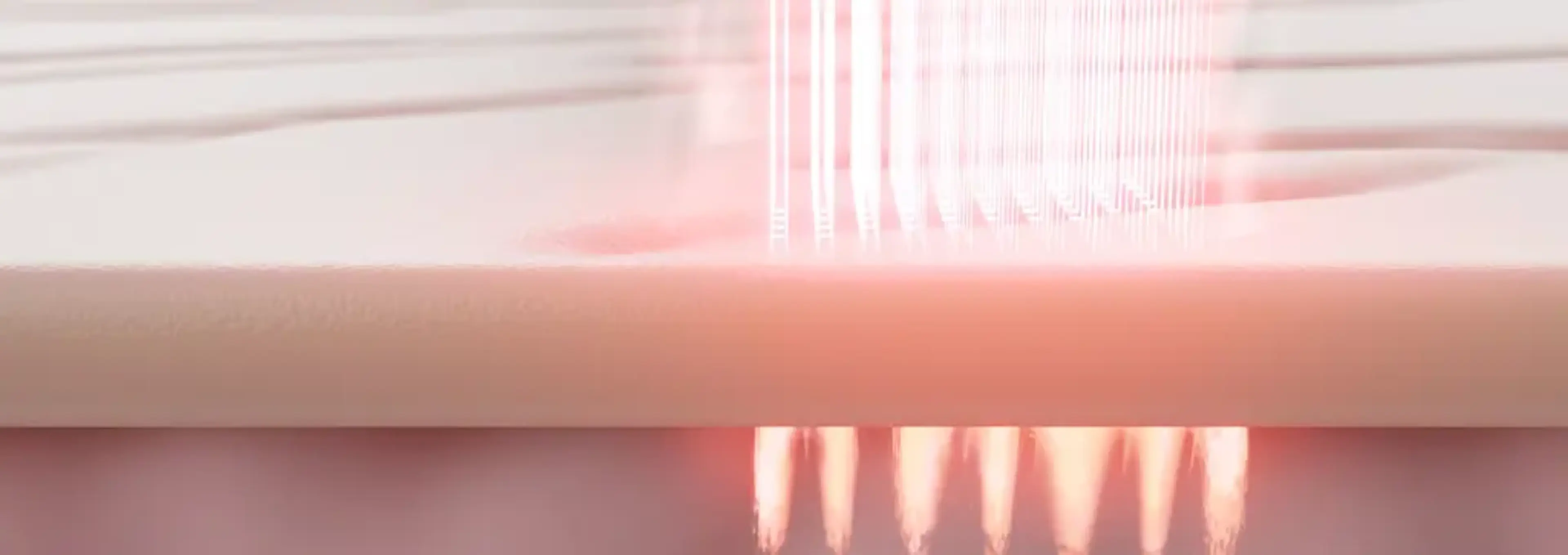
what-is-picohi-and-how-does-it-workPicoHi is a picosecond laser that delivers ultra-short pulses (about 300 picoseconds) to target pigment in the skin. Instead of relying on heat to break down pigment (as older lasers like Q-switched ones do), it uses a photo-acoustic effect — rapid pressure waves that shatter pigment particles into tiny fragments. These fragments are naturally removed by your body over time through lymphatic drainage.
This approach distinguishes PicoHi from traditional laser devices:
Minimized thermal damage: It reduces the risk of inflammation and burns because the energy disperses quickly.
Higher precision: PicoHi targets only the pigmented lesions without harming surrounding tissues.
Faster recovery: Patients often experience little to no downtime, making it suitable for busy lifestyles.
Why it matters: This gentler, more precise mechanism means less heat damage, which is especially important for melanin-rich skin types like those common in Asia, where inflammation-related side effects can lead to worsening pigmentation.
Why PicoHi Is Suited for Asian Skin
why-picohi-is-suited-for-asian-skinAsian skin (often Fitzpatrick types III to V) has more melanin, which makes it more reactive to laser heat and prone to post-inflammatory hyperpigmentation (PIH). The non-thermal action of PicoHi makes it particularly well-suited:
Lower risk of PIH: Since the laser works with sound waves rather than heat, the chances of stimulating excessive melanin production post-treatment are significantly reduced.
Tailored protocols: Korean aesthetic clinics often use customized settings for Asian skin tones, ensuring safety and effectiveness.
No downtime lifestyle compatibility: Most Asian patients prefer subtle enhancements that don’t interrupt work, school, or social activities — PicoHi aligns with that preference.
Moreover, Asian patients often present with a unique combination of epidermal and dermal pigmentation. The precision of picosecond lasers like PicoHi allows for layered targeting, making them a more strategic choice for long-term melasma management.
Is PicoHi Effective for Melasma?
is-picohi-effective-for-melasma
Yes, with caveats. Clinical studies and Korean dermatology practices support the use of "pico-toning" (low-fluence picosecond laser treatments) for melasma.
What the evidence says:
what-the-evidence-says:Picosecond lasers can significantly fade mild to moderate melasma, especially epidermal or mixed-type.
A study published in the Journal of Dermatological Treatment noted visible improvement in over 70% of Asian patients treated with picosecond laser over 4 to 6 sessions.
When used as part of a multi-modal approach, PicoHi helps reduce melanin overproduction and inflammation, which are core components of melasma.
Patient-reported outcomes:
patient-reported-outcomes:Most patients notice progressive fading of pigmentation after each session.
Skin texture and tone often improve, thanks to collagen stimulation induced by the laser's mechanical effect.
Treatments are generally well tolerated, with only mild redness or swelling that resolves within hours.
However, melasma is not a simple pigment issue. It has hormonal, genetic, vascular, and inflammatory components. No laser, including PicoHi, can guarantee a permanent cure — especially without lifestyle support.
Limitations of Laser Treatment for Melasma
limitations-of-laser-treatment-for-melasmaEven the best lasers have limits when it comes to melasma:
No permanent cure: Melasma often recurs, especially without strict sun protection or if hormonal triggers persist.
Results vary: Deeper (dermal) melasma is harder to treat and may require more sessions or combined treatments.
Maintenance is key: Long-term skin management is essential. This may include periodic touch-ups every 3–6 months.
Additionally, some patients may experience a temporary darkening of pigment post-treatment. This is typically a part of the melanin breakdown and clearance process but requires careful monitoring and support.
Bottom line: Think of PicoHi as part of a comprehensive plan, not a one-time fix. Combining laser with a tailored skincare routine, sun avoidance, and hormonal regulation offers the best chance of long-term improvement.
How to Maximize Results with PicoHi
how-to-maximize-results-with-picohi
To make PicoHi safer and more effective, especially for Asian skin, consider these strategies:
Low-Fluence Settings: Using conservative energy levels ensures the pigment is targeted without triggering inflammation. This is especially critical in first-time patients or those with sensitive skin.
Proper Session Spacing: Sessions are typically spaced 2–4 weeks apart to allow the skin time to recover and the lymphatic system to clear fragmented pigment.
Sun Protection: Use broad-spectrum sunscreen (SPF 50+) daily. Incorporate physical barriers (hats, sunglasses) and avoid peak UV hours. This is arguably the single most important factor in melasma control.
Aftercare and Topicals: Use gentle brightening products (like tranexamic acid, arbutin, niacinamide, or vitamin C) and barrier-repair moisturizers. Topical antioxidants can also help reduce oxidative stress in pigment-prone skin.
Realistic Expectations: Educate yourself on what success looks like: reduction, not complete removal. Treating melasma is more like managing a chronic condition than curing a disease.
Clinics like DoctorPetit often complement PicoHi with tailored home care kits to support pigment control and hydration between sessions.
Who Should Consider PicoHi for Melasma?
who-should-consider-picohi-for-melasmaIdeal candidates:
ideal-candidates:Patients with mild to moderate melasma, especially epidermal or mixed types
Those with Asian or melanin-rich skin who are prone to PIH from other treatments
People who want subtle, gradual improvements without downtime
Patients who have tried topical treatments with minimal success
Those who should be cautious:
those-who-should-be-cautious:Individuals with deep dermal melasma or uncontrolled hormonal triggers
Patients who are unlikely to follow strict sun protection and aftercare routines
Those expecting instant or permanent results after one session
Patients with underlying conditions like thyroid imbalance or recent pregnancy may need to wait before beginning laser therapy or combine it with hormonal management.
The DoctorPetit Myeongdong Perspective
the-doctorpetit-myeongdong-perspectiveAt DoctorPetit Myeongdong, we regularly treat patients from Korea and abroad seeking gentle but effective pigmentation solutions. Our multilingual team understands the unique concerns of international visitors and offers clear, medically sound guidance in English, Japanese, Chinese, and Korean.
We trust picosecond lasers like PicoHi because:
They deliver visible results with low risk
They align with our approach: natural, refined enhancement
They require little to no downtime — ideal for busy lifestyles or travelers
We combine laser treatments with advanced skin analysis, tailored home care plans, and continuous monitoring. Our protocols for melasma often include:
Customized laser fluence and pulse width adjustments
Brightening facials or mesotherapy between laser sessions
Prescription-grade topical agents (if needed)
Importantly, we guide each patient with realistic timelines. Fading melasma takes weeks to months, not days. With our supportive care model, patients feel confident and informed at every step.
Final Thoughts
final-thoughtsPicoHi is a strong contender in the battle against melasma — especially for Asian skin. Its precision, safety profile, and non-thermal approach make it a preferred choice in top Korean clinics. It offers a gentler yet powerful alternative to older lasers, with lower risk and minimal disruption to daily life.
But the best outcomes come from a plan that includes skin protection, maintenance, and expert care. Whether you live in Seoul or are visiting as part of a beauty tourism experience, DoctorPetit Myeongdong offers personalized solutions that balance efficacy with safety.
If you’re in Seoul and looking for professional treatment with global-standard safety and subtle results, a consultation at DoctorPetit Myeongdong might be your next smart step.
Let your skin reflect the care you invest in it — gracefully, naturally, and confidently.