Home / Articles
Laser Treatments by Skin Tone: A Safe Approach for Every Shade
Home / Articles
Laser Treatments by Skin Tone: A Safe Approach for Every Shade
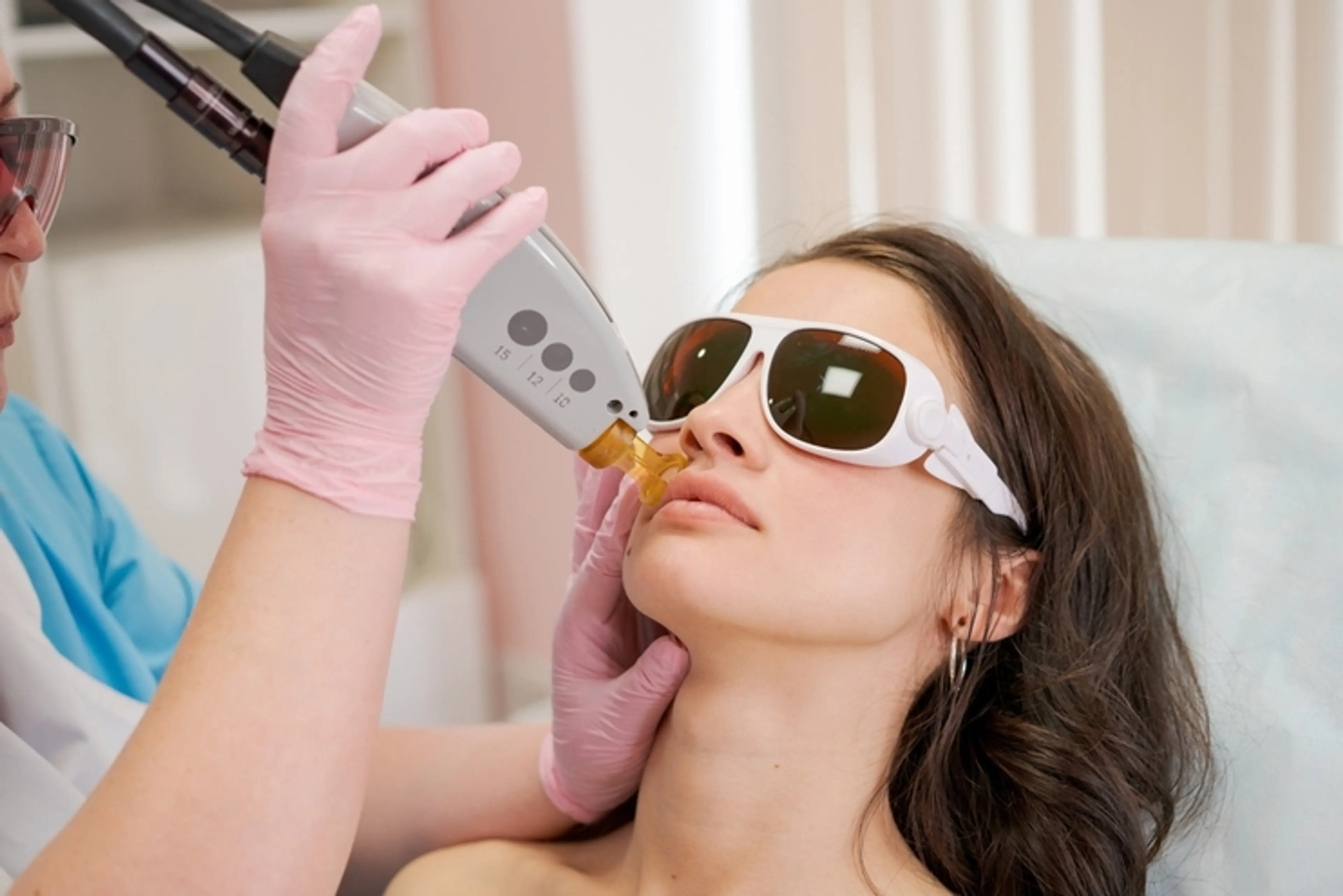
If you're wondering whether laser treatments are safe for your skin tone — you're not alone. At DoctorPetit Myeongdong, we treat patients from across Asia, the Middle East, Europe, and the Americas. One of the most common concerns? Whether laser technology can treat deeper skin tones safely without risking pigmentation changes. The answer is yes — but only when the right technology, settings, and expertise are involved.
Lasers work by targeting specific skin elements (called chromophores), such as melanin (pigment), hemoglobin (blood vessels), or water. The laser energy is absorbed by these elements, which then produce heat and trigger desired changes — such as collagen production, pigment breakup, or skin tightening.
However, melanin plays a double role:
It's the target in pigment-removal lasers (freckles, melasma, sunspots).
But it can also act as a barrier — especially in medium to dark skin tones — because it absorbs excess heat, increasing the risk of damage.
This is why:
Without proper customization, inappropriate lasers can lead to post-inflammatory hyperpigmentation (PIH), hypopigmentation, burns, or even scarring. At DoctorPetit, every laser treatment is based on a thorough Fitzpatrick analysis and lifestyle considerations, including recent sun exposure, topical product use, and treatment history.
Laser safety is a shared responsibility — between the clinic and the patient. During your consultation, we recommend asking:
Devices like Nd:YAG 1064 nm or fractional thulium 1927 nm are safer for darker skin.
Look for a clear explanation of energy levels, pulse duration, and spot size.
Honest clinics will acknowledge risks and explain how they’re minimized.
Skincare, sun protection, and timing are key to safer healing.
Be wary of “one-session fixes.” True skin transformation takes time, especially for deeper skin tones.
As a multilingual clinic serving English, Korean, Japanese, and Chinese-speaking patients, our team is trained to offer transparent and informed consultations across cultures.
Let’s break down what’s appropriate for different skin tones, based on the Fitzpatrick Scale. This classification, from I (very fair) to VI (deeply pigmented), helps guide safe and effective treatment planning.
Lighter skin responds well to pigment and vascular lasers, as melanin interference is low
Downtime can range from none to 5–7 days, depending on intensity
Over-aggressive settings may cause unnecessary redness or dryness
At DoctorPetit, we focus on subtle, layered improvements — combining tone correction with gentle lift for a rested, refined look.
Pre- and post-care is essential. We advise patients to stop retinoids, avoid sun exposure, and prepare skin with brightening serums (e.g., arbutin, vitamin C).
Results may take longer to show, but a progressive series gives safer, longer-lasting results.
At our clinic, we treat many Korean, Southeast Asian, and mixed-race patients in this category. Protocols are personalized to the millisecond.
A test spot is often recommended before full treatment
Treatment intervals are longer (4–6 weeks) to allow full recovery and melanin stabilization
Topical brighteners may be prescribed before laser to reduce melanin activity
We avoid IPL, aggressive fractional CO2, and most ablative devices unless in highly controlled, fractional modes
At DoctorPetit, we emphasize safety above all. Darker skin can achieve brilliant results — improved texture, tone, even lifting — but it must be done gradually and gently.
Laser results are never one-size-fits-all. The same device can produce different outcomes based on:
Skin tone and pigmentation levels
Skin thickness and oil content
Previous damage or skincare use
Lifestyle factors like sun exposure or travel
3–5 sessions for pigment correction or melasma
2–4 sessions for skin tightening or texture
Maintenance sessions every 6–12 months
Each treatment builds on the last, ensuring safety and natural improvement.
When it comes to lasers, experience and technology matter — but so does philosophy.
Here’s what sets us apart:
For us, beauty is not about trends — it’s about respecting your features, your skin tone, and your goals.
Your skin’s readiness affects both safety and results. Here’s how to prepare:
The better your skin barrier and pigment regulation, the smoother your recovery.
No matter your skin tone, laser treatments can be safe, effective, and empowering — when planned with precision. At DoctorPetit Myeongdong, we prioritize your safety, natural beauty, and informed decision-making.
If you're traveling to Seoul or already based in Korea and curious about lifting, brightening, or refining your skin safely, visit us for a consultation. We’ll walk you through the options, explain what works best for your tone, and craft a plan that respects your skin.
Would you like a more technical breakdown of laser wavelengths by device and skin tone?