Home / Articles
Is IPL a Good Idea for Maintenance? Pros and Cons
Home / Articles
Is IPL a Good Idea for Maintenance? Pros and Cons
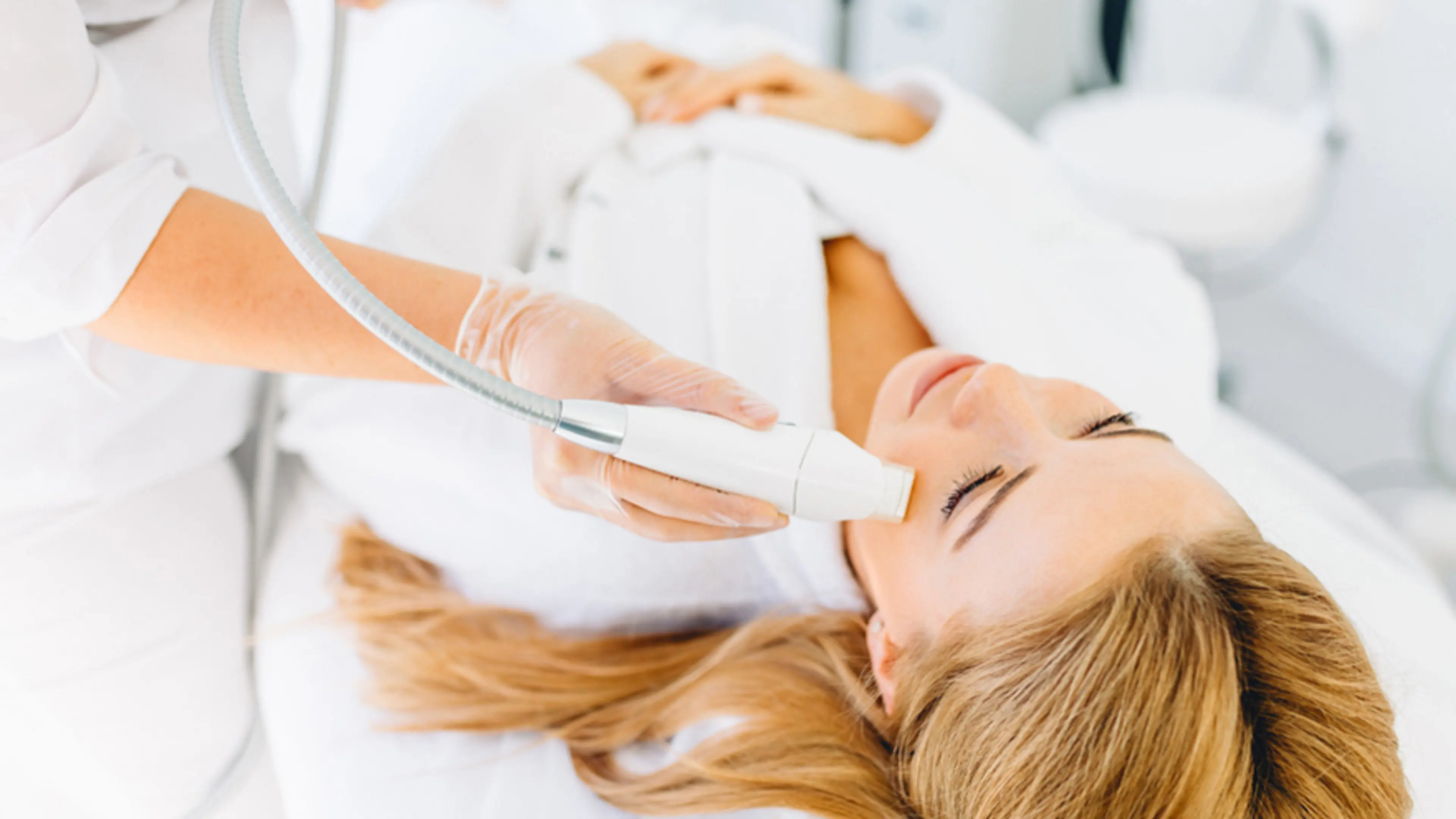
At DoctorPetit Myeongdong, we encounter this question often. For patients wanting long-term results without aggressive treatments, IPL can be an excellent option—if used with insight and precision. Here's our expert breakdown.
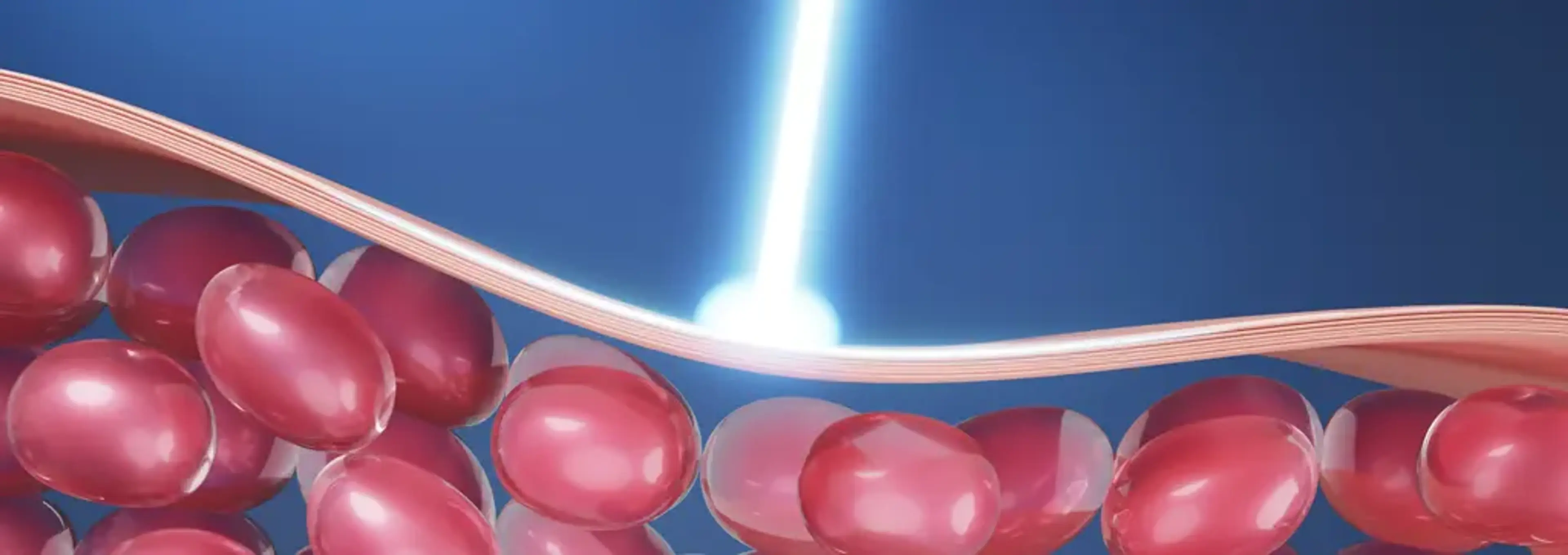
IPL isn’t technically a laser. Instead, it uses broad-spectrum light to target pigmentation, redness, and textural irregularities. It works by delivering multiple wavelengths of light to penetrate the skin at various depths. This allows it to treat multiple skin concerns simultaneously, including sun damage, freckles, age spots, broken capillaries, and uneven texture.
Pigmentation issues like freckles, sunspots, and melasma tend to recur due to sun exposure, hormones, or skin trauma. IPL targets excess melanin in the skin, causing it to rise to the surface and flake off naturally. This process can be repeated periodically to prevent pigment from becoming deeply embedded.
Low-energy IPL treatments every 3–6 months can help prevent these issues from becoming pronounced again. For patients with a history of sun damage or those genetically predisposed to pigmentation, IPL can act as a preventive maintenance step to prolong the clarity and brightness of the skin.
"We often recommend maintenance IPL for patients prone to pigment relapse, especially when combined with sun protection and skin hydration," says Dr. Kyung-deok Go.
IPL is also effective at treating vascular concerns such as facial flushing, broken capillaries, and early signs of rosacea. The light energy heats and collapses the blood vessels under the skin, which are then absorbed by the body.
This makes it ideal for patients experiencing chronic redness, especially in high-stress environments or fluctuating temperatures. Maintenance treatments can keep vascular symptoms under control and reduce the visibility of broken vessels over time.
"We use special vascular filters to reduce redness without affecting melanin, ideal for patients with pink undertones or chronic sensitivity," notes Dr. Go.
While IPL is not marketed as a primary collagen booster, clinical studies show that repeated treatments can stimulate fibroblasts and promote mild collagen remodeling. The result? Improved skin texture, minimized pore appearance, and a subtle glow that contributes to overall skin refinement.
For patients in their late 20s to early 40s who are beginning to see signs of aging but aren’t ready for more intensive treatments, IPL can serve as a proactive anti-aging strategy.
One of IPL’s biggest advantages is its convenience. A typical session takes 20 to 30 minutes, with most patients returning to normal activities immediately. Mild redness or a "coffee-ground" appearance may occur where pigment is being targeted, but these effects resolve quickly.
This makes IPL suitable for working professionals, travelers, or anyone with a tight schedule who still wants visible skin improvements.
"We often see patients from other clinics who were overtreated. Maintenance doesn't mean 'more is better'," cautions Dr. Go.
IPL excels at surface-level rejuvenation, but it lacks the depth and thermal energy to significantly improve skin laxity or deep static wrinkles. Patients expecting lifting or tightening effects from IPL will likely be disappointed.
Without a tailored plan, patients might undergo unnecessary IPL sessions that offer diminishing returns. If the underlying issue—such as hormonal pigmentation or chronic inflammation—isn’t addressed, repeated treatments may only offer temporary improvement.
A cost-effective strategy includes spacing out IPL sessions appropriately, combining with at-home care like sunscreen and antioxidant serums, and reassessing the skin’s response regularly.
Our goal is not just to deliver visible results but to protect your skin's long-term integrity.
Very dark skin types (Fitzpatrick V-VI) without careful parameter adjustment
Those with active infections, eczema, or photosensitivity disorders
Patients expecting dramatic tightening or wrinkle reduction from IPL alone
If you’re unsure where you fall on this spectrum, a personalized consultation is key.
IPL can absolutely be a valuable part of skin maintenance — but only when applied strategically. It’s not a cure-all, and it’s certainly not one-size-fits-all. Done correctly, it offers a non-invasive way to preserve your skin’s clarity, reduce pigment and redness, and subtly improve texture over time.
If you're traveling through Seoul or seeking long-term skincare with visible yet natural results, a visit to a certified clinic like DoctorPetit may be your best next step.