Introduction
introduction:-beyond-lift-or-volume-why-you-may-need-bothRosacea is a common skin condition that causes redness and visible blood vessels on the face, often leading to frustration for those who suffer from it. For many individuals dealing with this condition, finding effective treatments can be a challenge. One treatment that has gained popularity over the years is Intense Pulsed Light (IPL) therapy. If you're considering IPL for rosacea, you might be wondering whether it really works for reducing the redness and overall symptoms of the condition. In this article, we’ll break down how IPL works, its effectiveness, potential benefits, and what you can expect from the treatment.
What is Rosacea?
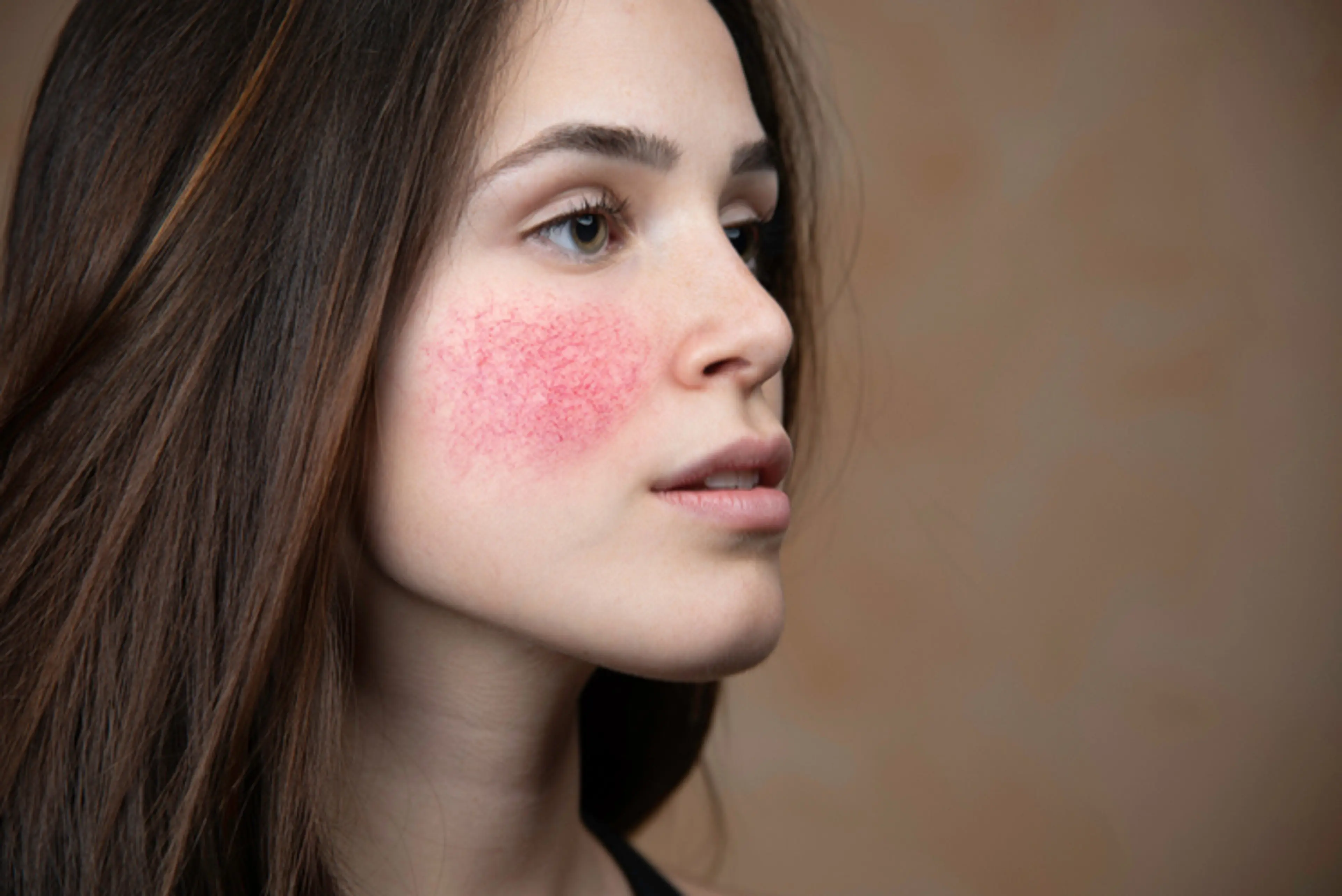
what-is-rosaceaRosacea is a chronic skin condition that primarily affects the face. It causes redness, visible blood vessels, and in some cases, bumps or pimples. Though the exact cause of rosacea is not fully understood, several factors are believed to contribute, including genetic predisposition, environmental triggers, and abnormalities in the skin's blood vessels. This condition often manifests in episodes of flushing and redness that can be exacerbated by triggers such as stress, spicy foods, alcohol, temperature changes, and sun exposure.
Rosacea tends to affect individuals with fair skin and is most commonly diagnosed in adults between the ages of 30 and 60. While rosacea does not have a cure, it can be managed with a variety of treatment options. One increasingly popular treatment is Intense Pulsed Light (IPL) therapy, a non-invasive treatment that targets the redness and visible blood vessels associated with rosacea.
How IPL Works for Rosacea
how-ipl-works-for-rosaceaIntense Pulsed Light (IPL) is a light-based therapy that uses broad-spectrum light to target various skin concerns. Unlike laser treatments, which use a single wavelength of light, IPL uses a range of light wavelengths to address multiple skin issues simultaneously.
In the case of rosacea, IPL works by targeting the blood vessels beneath the skin’s surface that cause redness and flushing. These blood vessels absorb the light energy, which causes them to constrict and break down. Over time, the body naturally eliminates the treated blood vessels, leading to a reduction in visible redness and improved skin tone.
The broad-spectrum light used in IPL allows for a customized approach. The treatment can be adjusted depending on the severity of rosacea and the depth of the blood vessels being targeted. IPL is most effective for treating the superficial blood vessels that cause redness. However, it may also help with reducing inflammation, which can improve other symptoms like bumps and pimples.
IPL for Redness: Is It Effective?
ipl-for-redness:-is-it-effective
Yes, IPL is effective in reducing redness associated with rosacea for many patients. Here's why:
Reduction of Visible Blood Vessels (Telangiectasia): One of the hallmark symptoms of rosacea is the appearance of visible blood vessels or telangiectasia. These small, dilated blood vessels are often seen around the nose, cheeks, and chin. IPL works by targeting these blood vessels with light energy, causing them to collapse and be absorbed by the body over time. As a result, the redness associated with these blood vessels is significantly reduced, improving the overall appearance of the skin.
Decreased Flushing and Blushing: Many people with rosacea experience frequent flushing, which can be triggered by stress, temperature changes, or spicy foods. IPL helps reduce the frequency and intensity of flushing by constricting the blood vessels beneath the skin. The result is a more even skin tone and fewer flare-ups.
Improvement of Skin Texture: While IPL is primarily known for its ability to reduce redness, it can also help with other aspects of rosacea. For example, IPL can reduce inflammation and may help improve skin texture, making the skin look smoother and healthier.
Long-term Results: For many people, IPL offers lasting improvements in the appearance of rosacea. While some individuals may need follow-up treatments to maintain results, many patients find that the reduction in redness and visible blood vessels lasts for several months or longer.
Multiple Sessions: What to Expect
multiple-sessions:-what-to-expectThough IPL can be highly effective for treating rosacea, it is important to understand that multiple sessions are usually required to achieve optimal results. Rosacea is a chronic condition, and even though IPL can provide significant improvement, it is not a one-time cure.
Initial Treatment: Most patients will start with a series of 3 to 6 IPL treatments spaced about 3 to 4 weeks apart. The exact number of sessions will depend on the severity of the rosacea, the specific areas being treated, and the patient's skin response.
Ongoing Maintenance: After the initial series of treatments, patients may need maintenance sessions every 6 to 12 months to keep the symptoms under control. These maintenance treatments help preserve the results and keep the redness and blood vessels at bay.
Benefits of IPL for Rosacea
benefits-of-ipl-for-rosaceaHere are some of the primary benefits of IPL for rosacea:
Non-invasive Treatment: IPL is a non-surgical treatment, meaning it does not require incisions, stitches, or downtime. This makes it an attractive option for those who want to avoid more invasive procedures.
Minimal Discomfort: Many patients find IPL to be relatively comfortable, with only a mild sensation of heat or a light snapping feeling during the treatment. Numbing cream can be applied if necessary, but most people do not require any anesthetic.
Quick Recovery: IPL typically involves minimal downtime. While you may experience some temporary redness or swelling immediately after the treatment, these side effects usually subside within a few hours to a couple of days. Most people are able to resume their normal activities right after the session.
Customizable Treatment: Because IPL uses a broad spectrum of light, it can be adjusted to suit your skin type, the severity of your rosacea, and your unique needs. A trained professional will tailor the treatment to ensure the best results for your skin.
Comprehensive Skin Treatment: In addition to reducing redness and visible blood vessels, IPL can also help treat other skin concerns, such as pigmentation issues, sun damage, and fine lines. This makes it a versatile treatment that can benefit individuals with multiple skin concerns, not just rosacea.
What to Expect During and After Treatment
what-to-expect-during-and-after-treatment
Here’s a step-by-step breakdown of what to expect during an IPL treatment for rosacea:
Pre-Treatment Consultation: Before undergoing IPL, you’ll have a consultation with a dermatologist or licensed practitioner. They will assess the severity of your rosacea, your skin type, and your overall health to determine if IPL is the right treatment for you.
During the Treatment: On the day of your treatment, a cooling gel may be applied to the treatment area to protect your skin. The practitioner will then use a handheld device to deliver controlled pulses of light to the targeted areas of your face. The treatment typically takes between 20 to 40 minutes, depending on the size of the area being treated.
Post-Treatment Care: After the procedure, you may experience mild redness, swelling, or a feeling of warmth in the treated area. These side effects should subside within a few hours. It’s important to protect your skin from sun exposure and follow any aftercare instructions provided by your practitioner.
Results: While some patients notice improvements after just one treatment, the full benefits of IPL are usually seen after a series of sessions. The treated blood vessels gradually break down and are absorbed by the body, resulting in reduced redness and improved skin tone.
Risks and Considerations
risks-and-considerationsWhile IPL is generally safe and well-tolerated, there are a few risks and considerations to keep in mind:
Temporary Side Effects: Some patients may experience mild redness, swelling, or bruising immediately after the treatment. These side effects are usually temporary and subside within a few days.
Not Suitable for Everyone: IPL may not be suitable for individuals with darker skin tones or those with certain medical conditions, such as photosensitivity or a history of skin cancer. It’s important to discuss your medical history with your practitioner before undergoing treatment.
Sun Protection: After IPL treatment, your skin may be more sensitive to the sun. It’s essential to use a broad-spectrum sunscreen with SPF 30 or higher to protect your skin and prevent hyperpigmentation.
Is IPL Right for You?
is-ipl-right-for-youIPL can be an excellent option for people with mild to moderate rosacea, particularly those who are seeking non-invasive treatment for redness and visible blood vessels. However, it’s important to have a thorough consultation with a dermatologist or licensed professional to determine whether IPL is the right choice for your skin type and condition.
Conclusion
conclusionIntense Pulsed Light (IPL) has emerged as an effective treatment for reducing the redness and visible blood vessels associated with rosacea. It works by targeting the blood vessels under the skin with broad-spectrum light, causing them to constrict and eventually disappear. With multiple sessions, IPL can provide long-lasting improvements in skin tone, reduce flushing, and even enhance skin texture.
If you’re considering IPL for rosacea, consult with a qualified healthcare provider who can assess your individual needs and create a personalized treatment plan. Though IPL is not a cure for rosacea, it can significantly improve the appearance of the skin and help manage the symptoms of this chronic condition.