Introduction
introduction:-the-challenge-of-aging-gracefully-in-a-fast-paced-worldYou’re standing in front of the mirror, coffee in hand, squinting at your own reflection: “Why does my jawline look softer this week? When did my under‑eye area start to look… tired all the time?” If this feels familiar, you’re not alone. Many patients who walk into the clinic use words like puffy, droopy, tired, sagging, or less defined to describe the changes they see. And while aging plays a role, there’s so much more happening beneath the surface—especially in how your tissues respond to gravity, volume shifts, and even lifestyle factors.
At DoctorPetit Myeongdong, we help people from all over the world—locals and beauty travelers alike—understand these changes and explore non‑invasive ways to refresh their look. Let’s break down why puffiness and droopiness happen, what options actually work, and how treatments can be tailored to your face without surgery, long downtime, or over‑done results.
What’s Really Causing That Puffy or Droopy Look?
what's-really-causing-that-puffy-or-droopy-lookBefore we talk treatments, it helps to understand what’s going on under the skin.
Puffy Is Not Always Fat
puffy-is-not-always-fatWhen most people think “puffy,” they imagine extra fat. But in reality, puffiness can come from:
Fluid retention under the eyes or cheeks
Weakened lymphatic drainage
Loss of muscle tone in the face
Skin laxity that makes tissues spread out rather than stay lifted
Seasonal or lifestyle causes (salt, alcohol, sleep changes)
Especially around the eyes, swelling is often fluid or lax skin—not just fat.
Droopy Isn’t Just “Gravity”
droopy-isn't-just-"gravity"Yes, gravity pulls on us over time—but that’s only half the story:
Collagen and elastin decline with age
Fat pads shift downward
Bone resorption (jaw and cheek volume loss) changes the support structure
Muscle imbalance can make brows, cheeks, or jowls sit lower
How it looks varies by face shape, ethnicity, and even how expressive you are.
This matters, because treating puffiness with the wrong approach (like just freezing fat) often leads to disappointing results. We always start by analyzing the cause, not the symptom.
Real Talk: What Non‑Invasive Treatments Can (and Cannot) Do
real-talk:-what-noninvasive-treatments-can-(and-cannot)-doLet’s be clear: non‑surgical means no incisions, minimal downtime, and gradual improvement—not instant “lifted 10 years” magic. When used wisely and in combinations appropriate to your face, these treatments can be powerful.
1) Ulthera (Ultrasound Lifting): Think of It as Internal Scaffolding
1)-ulthera-(ultrasound-lifting):-think-of-it-as-internal-scaffolding
If you’ve ever ironed a silk blouse and watched the wrinkles disappear, you’ve felt what ultrasound tightening can do to skin—without touching the surface.
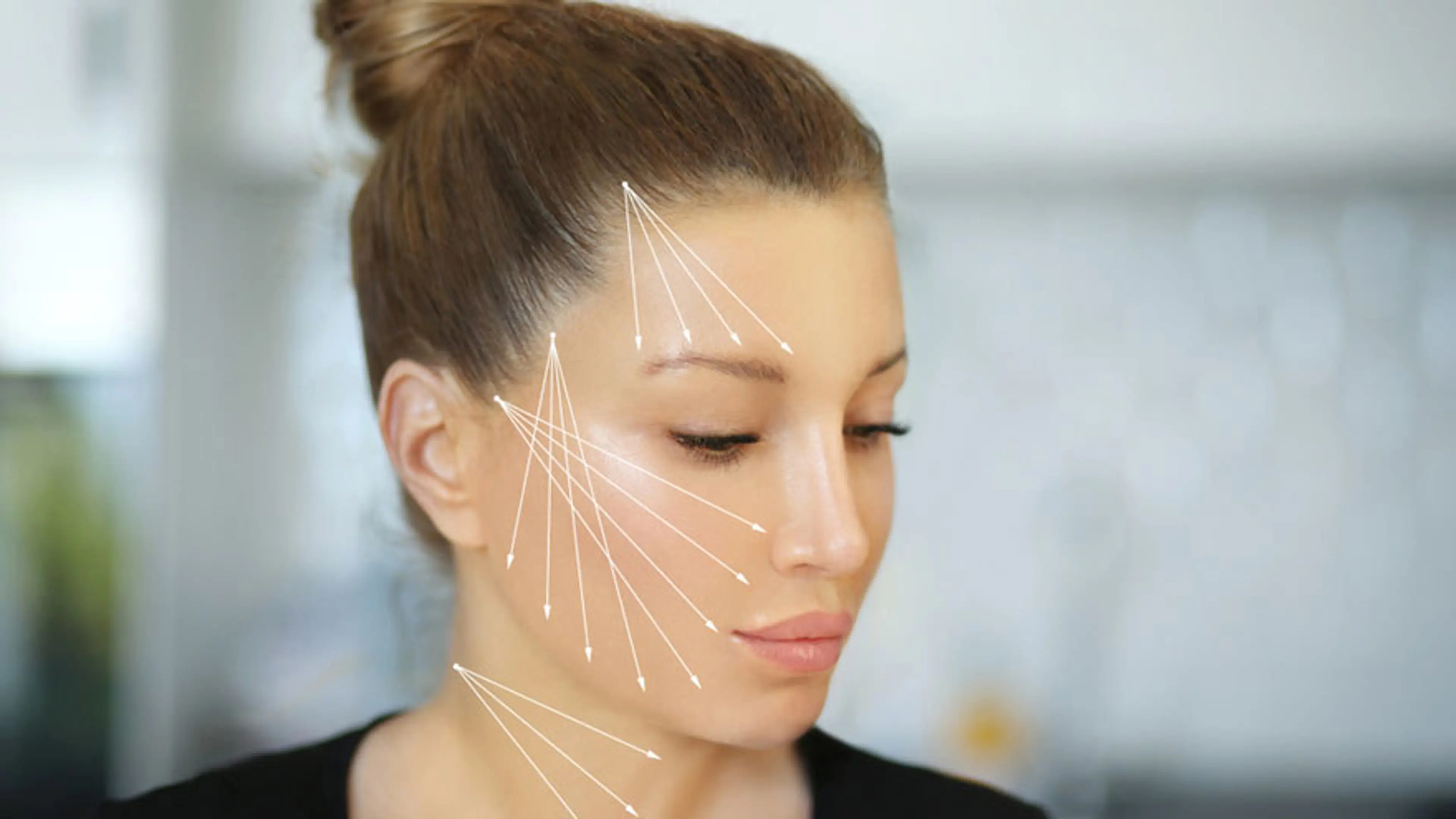
Ulthera uses focused ultrasound energy to target deep layers beneath the skin, stimulating collagen and tightening support structures. Unlike lasers that work on the surface, Ulthera reaches deeper fibrous layers where lifting actually happens.
Best for:
Mild to moderate skin laxity
Jawline and neck improvement
Brow lifting
Subtle redefining of lower face contours
Why patients choose it:
How it feels:
Some heat and mild discomfort—but we can tailor energy settings and topical numbing to your comfort.
When you see results:
Gradual over 8–12 weeks as collagen builds.
2) Thermage FLX (Radiofrequency): Gentle Heating for Firmer, Fuller Skin
2)-thermage-flx-(radiofrequency):-gentle-heating-for-firmer-fuller-skinThink of Thermage FLX as a deep, soothing warmth that tells your skin “let’s tighten up and produce more collagen.” It’s like giving your skin’s internal structure a fitness workout.
Rather than pinpointed heat like Ulthera, Thermage spreads radiofrequency energy across broader areas, which makes it great for overall tightening and smoothing.
Best for:
What to expect:
Most patients describe a rhythmic warming sensation that’s very tolerable with cooling built into the device.
Results timeline:
Some immediate tightening, with continued improvement over 2–6 months.
3) Pico Laser (Skin Clarity + Tightening): Beyond Puffiness
3)-pico-laser-(skin-clarity-+-tightening):-beyond-puffinessPico lasers aren’t about cutting or abrasion—they deliver ultra‑fast energy bursts that stimulate cells and improve texture, pigmentation, and subtle laxity.
While not a lifting device per se, Pico laser treatments help with:
For someone who looks “puffy” because of dull, uneven under‑eye shadows or cheek discoloration, a series of Pico treatments can make the face look brighter and less fatigued.
4) Injectables: Strategic Volume, Not Excess
4)-injectables:-strategic-volume-not-excessHere’s where artistry matters. Injectables aren’t about adding as much as possible; they’re about placing the right amount in the right place.
Dermal Fillers
dermal-fillersUsed to replace lost volume, support tissues, and subtly lift:
Cheek fillers can reduce the look of nasolabial folds and create a gentle midface lift.
Tear trough fillers can reduce under‑eye hollows that make puffiness look worse.
Jawline contouring can define and lift lower face.
What many patients don’t realize: adding volume in the cheeks can make the entire lower face look less droopy—not adding filler directly to the jowl.
Neuromodulators (e.g., Botox, Dysport)
neuromodulators-(e.g.-botox-dysport)These relax specific muscles that pull down or bunch up with age:
Brow lifts by relaxing depressor muscles
Masseter slim down (if jaw heaviness is muscle hypertrophy, not fat)
Softening frown lines that give a fatigued appearance
Non‑surgical doesn’t mean “no planning.” We use anatomy knowledge to create balance, not over‑filled faces.
5) Combined Protocols: Why One Modality Isn’t Always Enough
5)-combined-protocols:-why-one-modality-isn't-always-enough
Faces don’t age in a single way. Puffy eyes might be fluid + lax skin. A soft jawline might be volume loss + skin laxity. That’s why many patients get combined treatments spaced appropriately.
Example protocols we often recommend:
Ulthera + Thermage for skin tightening and collagen stimulation
Pico Laser + Fillers for under‑eye rejuvenation (texture + volume)
Neuromodulators + RF to relax downward pull and tighten laxity
Combinations are personalized. Too many treatments, too close together, or mis‑matched protocols can give unnatural results.
Why Less Isn’t Always More—but “Right Amount” Is
why-less-isn't-always-morebut-"right-amount"-isMany patients come in thinking: “If I’m going for natural, just a tiny bit.” What we find in practice is that strategic dose and placement makes the natural look truly harmonious.
Two common misconceptions we correct:
Myth #1: Puffiness equals fat removal.
myth-1:-puffiness-equals-fat-removal.In most cases, it’s fluid + laxity. Lipolysis where it isn’t indicated can hollow and age the face.
Myth #2: Softer features mean youthful.
myth-2:-softer-features-mean-youthful.Youthful contours have structure. Replacing support (bone loss, midface volume) gives lift more than removing tissue.
Aesthetic Preferences Matter: Natural and Balanced
aesthetic-preferences-matter:-natural-and-balancedAcross cultures—especially in Seoul and among international beauty travelers—there’s a growing preference for enhancement that feels like you, not “done.” And that’s exactly what we aim for at DoctorPetit Myeongdong.
We’re not chasing trends; we’re shaping faces with:
Respect for ethnic facial differences
Individualized planning, not one‑size‑fits‑all
Subtle, harmonious outcomes that age well over time
What to Expect in Your Consultation
what-to-expect-in-your-consultationEvery good plan starts with understanding you:
Your goals (what you mean by “puffy” or “droopy”)
Your anatomy and facial structure
Your lifestyle and recovery tolerance
A realistic timeline for results
We often use imaging or mapping tools to show how your face might change with different options. Transparency is key—no treatments unless you truly understand the how and why.
Timeline: When Will You See a Difference?
timeline:-when-will-you-see-a-differenceNon‑surgical improvements take time—and that’s okay. It’s part of keeping results natural.
Ulthera / RF: Gradual over 2–3 months
Laser: Series spaced 2–4 weeks apart
Fillers: Immediate shape, settles over 2–4 weeks
Neuromodulators: 4–14 days
Downtime is minimal to none—but patience with the process pays off in harmony.
Safety and Comfort Are Not Optional
safety-and-comfort-are-not-optionalWe use certified devices and protocols grounded in anatomy. Pain management and comfort are built into the experience, from numbing options to pacing treatments.
We also watch for:
Safety isn’t a checkbox—it’s the foundation. This is especially important for international visitors who want results without surprises.
Your Next Step: Thoughtful Exploration
your-next-step:-thoughtful-explorationIf you’re reading this and thinking “Yes—that’s me,” here’s what we recommend:
Schedule a personalized assessment with a practitioner who listens first.
Ask for an explanation of why each treatment is recommended.
Avoid quick fixes that promise dramatic change overnight.
Think of your face as a landscape, not a set of isolated parts.
Refreshing your look is about enhancing your story, not rewriting it.
Final Thought: Aging Is Natural. Your Approach Should Be, Too.
final-thought:-aging-is-natural.-your-approach-should-be-too.Feeling puffy or noticing droopiness doesn’t make you “old” — it makes you human. But if those changes are affecting how you feel, then addressing them with thoughtful, non‑invasive treatments can boost not just your appearance—but your confidence.
At DoctorPetit Myeongdong, we view beauty as personal refinement, not transformation by force. If you want results that feel like you, only more refreshed, there’s a path for you—and we’d love to help you find it.