Introduction
introductionYou glance in the mirror and notice your skin looks a little duller than it used to. Makeup doesn’t sit as smoothly, and even after a good night’s sleep, that healthy glow feels harder to capture. At this point, many people start Googling terms like “skin boosters,” “injections for hydration,” or “the Korean glass skin treatment.”
But here’s the real question: do skin boosters actually work, or are they just another beauty trend?
As dermatologists and aesthetic medicine specialists here in Seoul, we hear this question almost daily. Let’s break down what skin boosters are, why they’ve become so popular, and—most importantly—whether they deliver results worth your time and money.
What Exactly Are Skin Boosters?
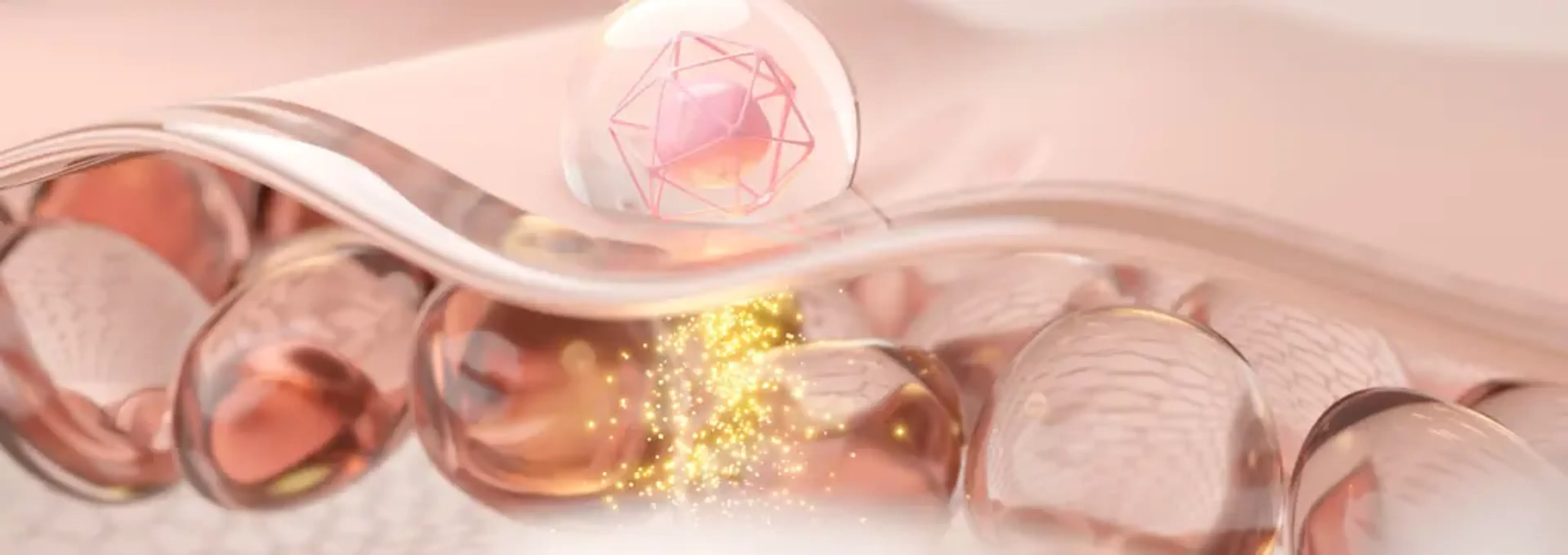
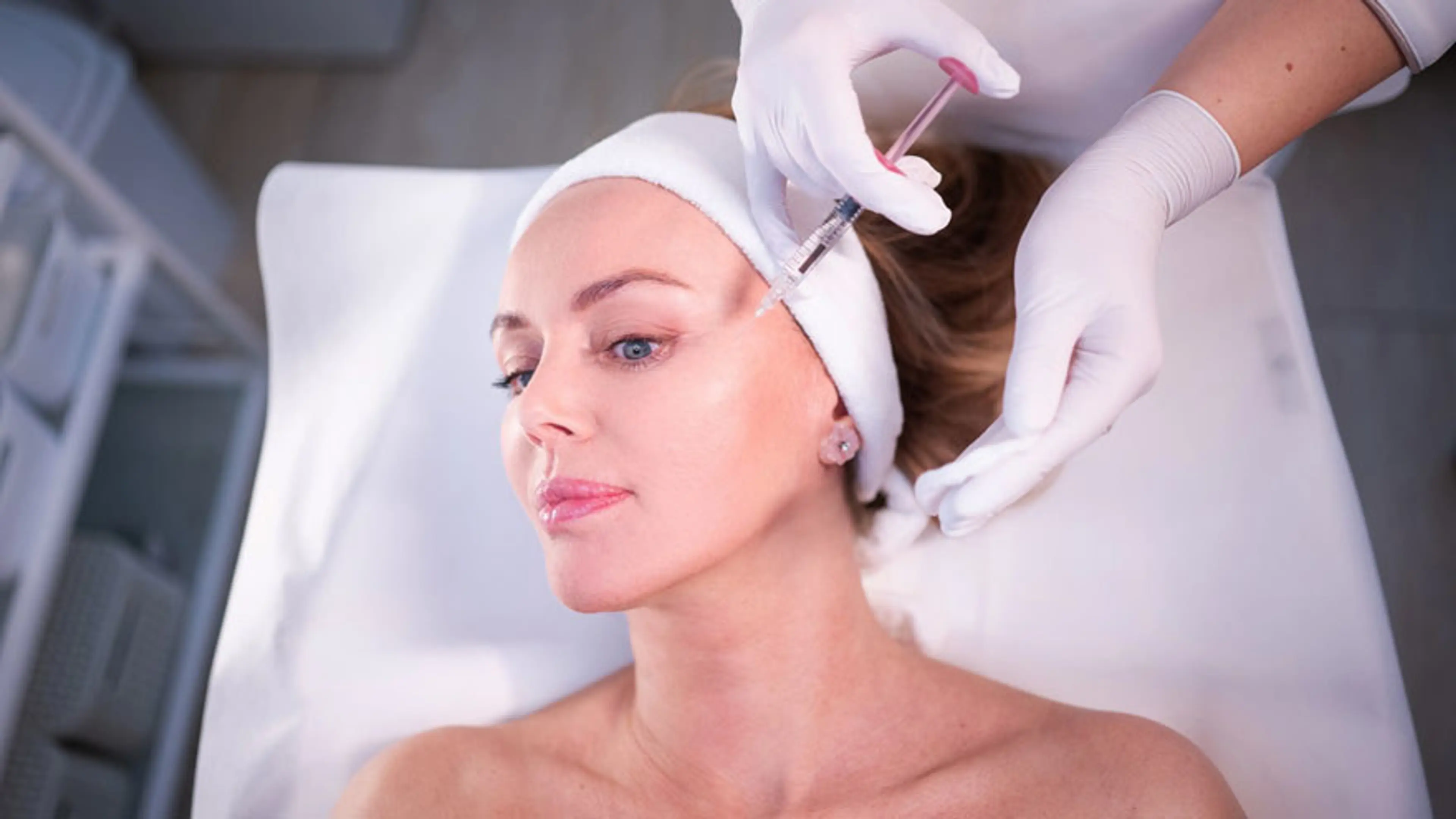
what-exactly-are-skin-boostersSkin boosters are injectable treatments designed to deeply hydrate and rejuvenate the skin from within. Unlike traditional dermal fillers, which add volume or contour, skin boosters are usually made from hyaluronic acid (HA)—a sugar molecule your body naturally produces to maintain plump, moisturized skin.
As we age, natural HA levels decline, leading to dryness, fine lines, and loss of elasticity. While topical serums with HA can help temporarily, their molecules are often too large to penetrate deeply. Skin boosters solve this by delivering hydration directly into the dermis—the layer where structural support and elasticity live.
Think of it this way: if fillers are like cushions reshaping a sofa, skin boosters are like pouring water into a dried sponge. The goal isn’t to change shape, but to restore softness, bounce, and glow.
Common Skin Booster Types
common-skin-booster-typesProfhilo (Italy): Known as a “bio-remodeling” injection, spreads evenly to stimulate collagen and elastin production.
Rejuran Healer (Korea): Polynucleotide-based (derived from salmon DNA), often chosen for repairing and calming sensitive or damaged skin.
Juvéderm Volite (Allergan): Focused on hydration and fine line smoothing, lasts up to 9 months in some patients.
Restylane Skinboosters (Sweden): One of the earliest skin booster families, widely used for general hydration and glow.
Each has its own strengths, and in clinical practice, the choice depends on patient goals, skin type, and lifestyle.
Why Are They So Popular in Korea?
why-are-they-so-popular-in-koreaKorea’s beauty culture has long prized luminosity and transparency over heavy correction. Rather than chasing exaggerated changes, many patients want skin that looks like the best version of itself—clear, smooth, and naturally radiant.
That’s why treatments like skin boosters thrive here. They align with the “chok-chok” (dewy) skin ideal and appeal to both locals and international visitors who want subtle but visible improvements.
There’s also a cultural element: in Korea, prevention and maintenance are emphasized as much as treatment. Many patients in their late 20s or early 30s already begin skin boosters—not because they have major wrinkles, but because they see it as an investment in long-term skin health.
To be honest, what many patients don’t realize is that skin boosters aren’t designed to replace lifting procedures like Ulthera or Thermage. They won’t sharpen your jawline or erase deep folds. Their strength lies in texture, hydration, and overall skin quality.
Do Skin Boosters Really Work? Dermatologists’ Perspective
do-skin-boosters-really-work-dermatologists'-perspective
The short answer: Yes, they do—but with clear expectations.
Clinical studies and patient experience consistently show that skin boosters improve:
Hydration: Skin feels more supple, less tight, and less prone to flakiness.
Texture: Roughness and unevenness smooth out, makeup applies more evenly.
Radiance: Patients often describe a “lit-from-within glow” that skincare alone couldn’t achieve.
Fine lines: Especially effective for delicate areas around the eyes, lips, and cheeks.
Elasticity: Some products like Profhilo and Rejuran also stimulate fibroblasts, supporting long-term collagen production.
But here’s the important nuance:
Results are subtle, not dramatic. Skin looks fresher, but it won’t transform facial structure.
They’re temporary. Most last 4–9 months, depending on metabolism and lifestyle.
Consistency matters. A series of 2–3 sessions is usually recommended for optimal, lasting results.
One analogy we share with patients: skin boosters are like upgrading from watering your garden with a spray bottle to installing a drip irrigation system. The hydration finally reaches where it’s needed most—the root level.
Who Benefits Most From Skin Boosters?
who-benefits-most-from-skin-boostersFrom our clinical experience in Myeongdong, the best candidates are:
Late 20s to early 40s: Patients noticing early dullness or the first fine lines.
Dry or dehydrated skin types: Especially those who feel creams no longer “sink in.”
Event-driven patients: Brides, grooms, or professionals preparing for important milestones.
Travelers in Seoul: Many international patients choose skin boosters because downtime is minimal and results are visible within days.
On the other hand, skin boosters may not be the ideal choice if:
You’re expecting a sharp V-line contour → Devices like Ulthera or Thermage are more suitable.
You have significant sagging or deep wrinkles → Fillers or combination therapies may be needed.
You want a “one-and-done” treatment → Boosters generally require a course for best results.
The DoctorPetit Approach to Skin Boosters
the-doctorpetit-approach-to-skin-boosters
At DoctorPetit Myeongdong, we rarely position skin boosters as a standalone miracle. Instead, we see them as part of a layered, personalized plan.
For younger patients (20s–30s): Skin boosters are often the first step into medical aesthetics—helping delay more invasive treatments by preserving elasticity early.
For midlife patients (40s–50s): We often combine skin boosters with lifting procedures such as Thermage FLX or Ulthera. This way, we improve both skin quality and structural firmness.
For international visitors: Skin boosters offer a safe, effective, minimal-downtime treatment that delivers visible improvement even during a short trip to Korea.
Asian vs. Western Patient Preferences
asian-vs.-western-patient-preferencesAn interesting clinical observation: Asian patients often prioritize skin texture, clarity, and glow, whereas Western patients may be more focused on lifting and contour. This difference affects how we design treatment plans. For example, a European patient might combine Ulthera with Profhilo, while a Korean patient might prioritize Rejuran for pore tightening and skin repair.
Are Skin Boosters Safe?
are-skin-boosters-safeWhen performed at a licensed clinic with experienced professionals, skin boosters are considered very safe.
Common, mild side effects:
Redness or swelling at injection points
Small bumps (“papules”) that flatten within 24–48 hours
Minor bruising, especially in thinner skin areas
Serious risks are rare but may occur if injections are done incorrectly or with poor-quality products. That’s why choosing a trusted clinic with proper medical standards is critical.
At DoctorPetit, all procedures are performed with FDA- or KFDA-approved products, sterile techniques, and fine micro-needles to minimize discomfort and downtime.
Patient Case Examples
patient-case-examplesTo make this more tangible, here are common scenarios we see:
Case 1: The Early Glow-Seeker
A 29-year-old office worker came in complaining her skin looked “tired” despite good skincare. After two sessions of skin boosters, she reported her foundation sat better and coworkers asked if she had “changed her skincare routine.”
Case 2: The Pre-Wedding Patient
A bride-to-be from Singapore booked skin boosters six weeks before her wedding. She combined them with Pico Laser for pigmentation. On her big day, her skin looked radiant under high-definition cameras—without heavy makeup.
Case 3: The Mature Skin Rejuvenation
A 52-year-old patient received a combination of Ulthera and Rejuran Healer. The Ulthera addressed sagging, while Rejuran improved texture. She noted, “I look less tired, but not ‘done.’ My friends just think I had a good vacation.”
These examples reflect the subtle but meaningful improvements boosters can deliver when matched correctly to patient goals.
Final Takeaway: Are They Worth It?
final-takeaway:-are-they-worth-itIf your goal is refreshed, dewy, hydrated skin, then yes—skin boosters absolutely work. But if you expect dramatic lifting or reshaping, they won’t replace devices or fillers.
The most satisfying results often come from combining treatments thoughtfully, not chasing trends. A personalized plan, designed by an experienced aesthetic doctor, makes all the difference.
If you’re traveling through Seoul and curious about giving your skin a luminous boost, DoctorPetit Myeongdong offers multilingual consultations in English, Japanese, Chinese, and Korean. Our philosophy is simple: enhance what’s already beautiful, naturally and safely.