Introduction
introduction:-the-challenge-of-aging-gracefully-in-a-fast-paced-worldIf you’re contemplating a thread lift and also love your workouts — you’re not alone. A common question we hear at DoctorPetit Myeongdong is:
“When can I exercise again after a thread lift without risking my results?”
This isn’t just about convenience. It’s about healing the tissues we just gently repositioned, protecting your outcomes, and setting realistic expectations for your body and your lifestyle.
Let’s walk through this carefully — from the science of healing to practical timelines, exercise categories, what to avoid, and exactly why certain movements matter after a thread lift.
What Is a Thread Lift — and Why Does It Impact Movement?
what-is-a-thread-lift-and-why-does-it-impact-movementBefore we get into workouts, let’s clarify what a thread lift actually does.
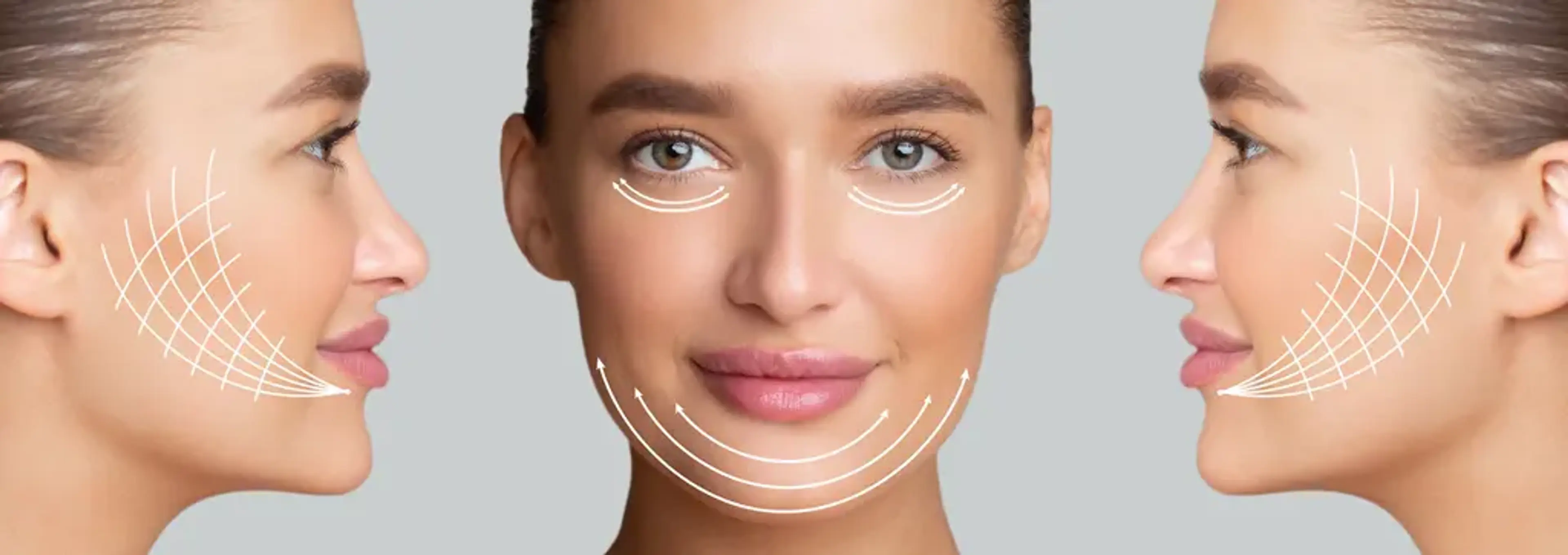
At DoctorPetit, we think of thread lifting like strategically placing scaffolding and supportive lines beneath soft tissues. These dissolvable threads — often made of PDO (polydioxanone) or PLLA — are inserted through tiny entry points and anchored discreetly to lift sagging tissues in the midface, jawline, neck, or brow.
But here’s the key: while the procedure is minimally invasive, it still involves microtrauma — intentional, controlled disruption of tissue to reposition structures and stimulate collagen. Your body then heals around these threads, building new collagen that reinforces the lift over time.
This healing phase — especially the first 2–4 weeks — is when we need to be cautious about movements that could disrupt thread position or tension.
So, the big question:
Can you work out after a thread lift?
Yes — but when and how depends on the type and intensity of exercise.
Understanding the Healing Timeline
understanding-the-healing-timelineHealing isn’t one uniform process — it happens in stages:
Immediate reaction (Day 0–3): Your body responds with inflammation and swelling — normal and expected.
Early tissue integration (Week 1–2): The threads begin to settle and integrate; collagen production starts.
Collagen remodeling (Week 3–8): The new collagen matrix solidifies — this is when your results become more stable.
Long-term maturation (Month 3+): Collagen continues improving over months, enhancing lift durability.
Each phase has implications for movement. The earliest days require rest, whereas the later weeks allow more activity.
When Can You Return to Exercise?
when-can-you-return-to-exercise
Light Activity (Walking, Gentle Stretching)
light-activity-(walking-gentle-stretching)Start: Day 1–2 after your thread lift
Walking is not only safe but beneficial — it encourages gentle circulation, reduces swelling, and supports overall recovery.
Aim for short, easy walks (10–20 minutes) the very next day if you feel comfortable.
Low‑Intensity Workouts (Yoga, Light Pilates, Stationary Bike)
lowintensity-workouts-(yoga-light-pilates-stationary-bike)Start: Day 3–5
Low‑impact movement that keeps your head and neck stable is generally fine starting early in recovery. Choose positions that don’t strain your facial or neck muscles.
Tip: Avoid deep forward folds or poses that compress the face and neck in the first week.
Moderate Workouts (Elliptical, Light Weight Training)
moderate-workouts-(elliptical-light-weight-training)Start: Week 2 (Days 10–14)
As swelling decreases and tissues settle, you can gradually increase workout intensity.
High‑Intensity Workouts (HIIT, Running, Heavy Lifting)
highintensity-workouts-(hiit-running-heavy-lifting)Start: Week 3–4
High‑impact moves that jolt the face, rapid accelerations, or heavy exertions can pull on healing tissues if you jump in too soon.
Give your body at least 3–4 weeks before returning to full‑on workouts — especially if your treatment included multiple threading vectors around the cheeks, jawline, or neck.
Contact Sports or Activities With Risk of Facial Impact
contact-sports-or-activities-with-risk-of-facial-impactStart: 4–6 weeks or longer
Anything with a risk of impact — tennis balls, physical contact, falls — demands caution. Even a mild knock to the face can displace threads if healing isn’t complete.
Wait until your practitioner confirms it’s safe.
Specific Exercises: What to Avoid and When
specific-exercises:-what-to-avoid-and-whenHere’s a practical breakdown you might find useful:
Movement Type | Safe When… | Why It Matters |
|---|
Walking | Anytime (gentle) | Promotes circulation without strain |
Yoga (gentle) | After Day 3 | Avoid deep forward folds early |
Pilates | Week 1–2 | Keep neck neutral, avoid tension |
Cycling | Week 2 | Moderate effort only |
Running/Jogging | Week 3–4 | Impact could shift threads early |
HIIT | Week 3–4 | Rapid movements increase tissue stress |
Heavy Weights | Week 3–4 | Avoid Valsalva (holding breath & straining) |
Contact Sports | Week 4–6+ | Risk of direct trauma |
Why Movement Matters After Thread Lifting
why-movement-matters-after-thread-lifting
1. Tissue Integration
1.-tissue-integrationThreads need time to “lock in” as your tissues adapt. Excessive motion early on may delay healing or compromise lift longevity.
2. Swelling & Discomfort
2.-swelling-and-discomfortHigh‑impact or strenuous exercise accelerates circulation and heart rate — which sounds good normally, but can worsen swelling after a thread lift.
3. Facial Muscle Strain
3.-facial-muscle-strainRapid neck movements, clenching, or uncomfortable postures (like deep sun salutations) can create tension around the treatment zones.
4. Results Stability
4.-results-stabilityThe early weeks after threading are when collagen is actively being deposited along the thread tracks — a delicate process that thrives under moderate, not extreme, physical stress.
Real Patient Scenario From DoctorPetit
real-patient-scenario-from-doctorpetitLet’s say a patient had a jawline and lower cheek thread lift here in Myeongdong.
Day 1–3: They walked daily and applied cold compresses.
Day 5: They returned to gentle yoga, avoiding deep forward bends.
Day 10: Started light weights, focused on arms and core with controlled breathing.
Week 3: Gradually added treadmill jogging.
Week 4: Returned to full gym routine — heavy squats, rowing, and steady‑state cardio.
Week 6: Picked up tennis again.
This progressive approach respected the healing phases and protected the lift integrity while avoiding unnecessary downtime.
Pro Tips for Exercising After Thread Lifts
pro-tips-for-exercising-after-thread-liftsKeep Your Head Supported
keep-your-head-supportedWhen lying down or doing floor work, keep your neck and head stable — avoid unsupported neck flexion.
Stay Hydrated
stay-hydratedHydration supports wound healing, collagen formation, and overall recovery.
Listen to Your Body
listen-to-your-bodyMild soreness is okay, sharp pain or pulling is not.
Avoid Massage or Manipulation
avoid-massage-or-manipulationDon’t rub, push, or manipulate your face in the first 3–4 weeks — this includes aggressive foam rolling or facial cupping.
Sleep Elevated
sleep-elevatedUse a slightly elevated pillow for the first week to reduce swelling and fluid accumulation.
When to Contact Your Practitioner
when-to-contact-your-practitionerReach out if you experience any of the following:
Increased asymmetry that doesn’t improve after a few days
Severe or worsening pain
Signs of infection (redness, warmth, discharge)
Unusual firmness or induration that’s painful
Your aesthetic clinician can evaluate whether any movement or activity might be contributing.
A Balanced Recovery: Not Too Fast, Not Too Slow
a-balanced-recovery:-not-too-fast-not-too-slowIt’s human to want to bounce right back into your routine — especially if you’re active and fitness‑focused. But after a thread lift, timing is healing’s greatest ally.
Think of your post‑thread lift phase like retraining healthy habits: intentional, progressive, and responsive to what your body tells you. A well‑paced return to exercise won’t just protect your lift — it can enhance your overall well‑being.
Bottom Line: Yes — You Can Work Out After a Thread Lift
bottom-line:-yes-you-can-work-out-after-a-thread-lift…but with a smart, staged approach:
Walk right away
Low impact within the first week
Moderate workouts by Week 2
High intensity by Week 3–4
Contact or high‑risk sports by Week 4–6+
Every person heals differently. Your specific thread lift pattern, tissue quality, and fitness history all shape the right timeline for you.
At DoctorPetit Myeongdong, we aim for results that last and feel natural — and that includes guiding you safely back to the workouts you love. If you’re planning a thread lift and exercise matters to you, let’s customize your aftercare plan together. Your journey to a refreshed but active you doesn’t have to wait.