Home / Articles
Can Acne Scars Ever Fully Go Away? The Honest Answer
Home / Articles
Can Acne Scars Ever Fully Go Away? The Honest Answer
The short answer: not always completely, but they can be softened, lifted, and blended into your skin so they become nearly invisible. The longer, more honest answer depends on the type of scars you have, your skin biology, and the treatments you choose. At DoctorPetit Myeongdong, this is one of the most common conversations we have with patients from around the world.
To understand whether scars can disappear, it helps to know why they form.
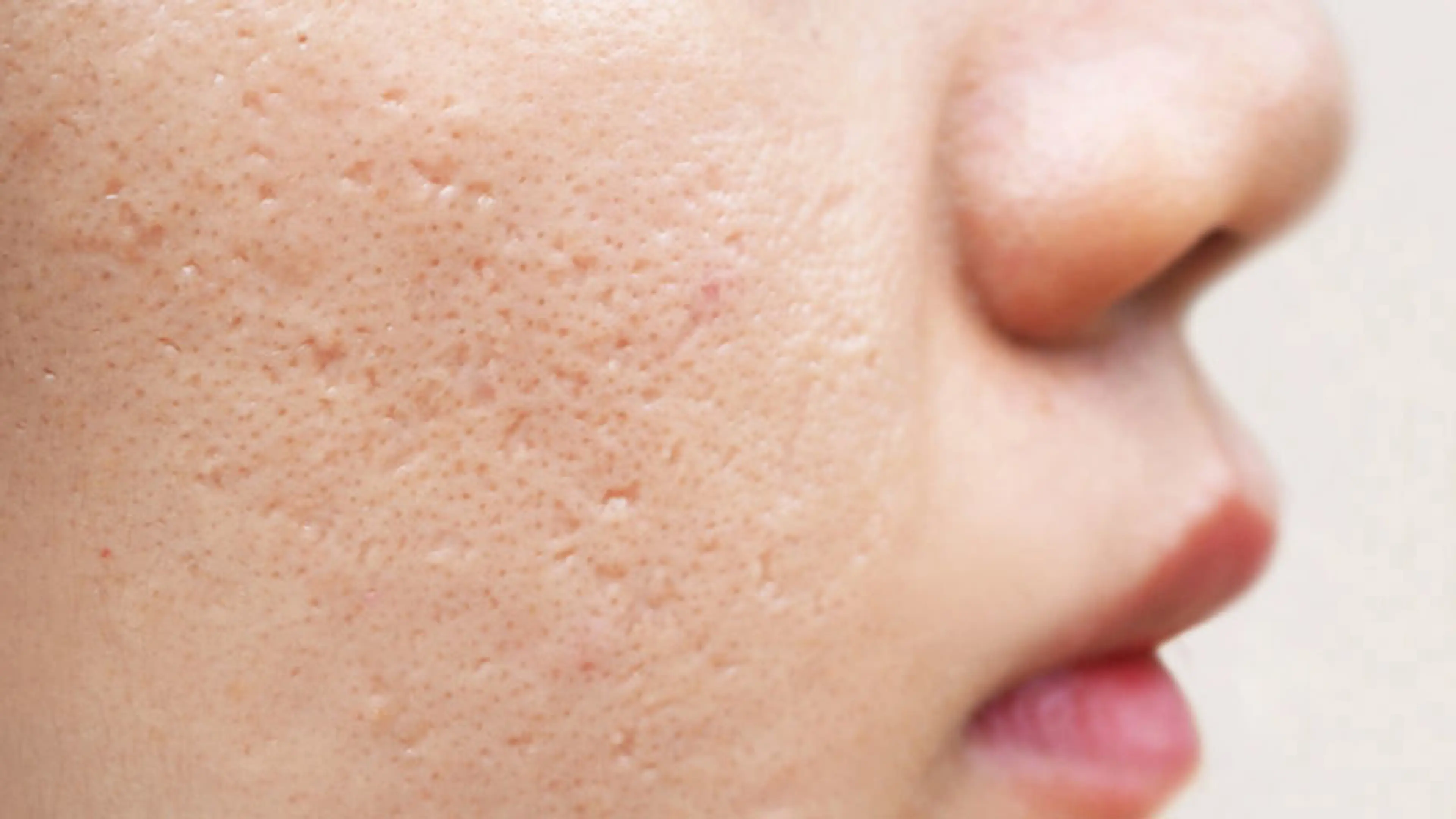
When acne penetrates deeply into the skin, it damages both the surface and the underlying collagen network. As the body repairs itself, it sometimes produces too little collagen (causing depressions, like ice-pick or boxcar scars) or too much collagen (causing raised scars). Unlike pigmentation marks — which are just “stains” that fade with time or lasers — scars involve actual structural changes in the skin.
Think of it this way: pigmentation is like coffee spilled on a white shirt, which can be washed out. Scars are like a tear in the fabric — repairable, but the weave will never be exactly the same.
This distinction is why acne scars are harder to erase completely compared to temporary discoloration.
That said, advances in aesthetic medicine have changed the landscape dramatically. Ten years ago, patients had limited options — mainly chemical peels or early-generation lasers, which often required long downtime and carried higher risks of side effects. Today, we can remodel skin from the inside out with far greater precision.
Technologies such as fractional CO₂ lasers, microneedling radiofrequency (Sylfirm X, Infini), and collagen-stimulating injectables (such as Rejuran or skin boosters) encourage the skin to repair itself naturally. Over time, new collagen fills depressions, smooths edges, and blends texture.
For many patients, the result is that scars become nearly invisible in everyday life. While a dermatologist or doctor might still notice faint traces under bright clinical lighting, the patient sees smoother skin, better makeup application, and — most importantly — restored confidence.
Not all scars are created equal. Understanding which kind you have is the first step in choosing the right treatment.
Pico laser (fast, precise pigment shattering)
Gentle chemical peels
Brightening skincare with retinoids, vitamin C, or niacinamide
Daily sun protection (the single most important step)
Patients are often relieved to hear these marks are not “true scars.” With proper care, they can fade within months.
Results are gradual and cumulative — usually requiring 3–5 sessions over several months for the best outcome.
Corticosteroid injections to reduce collagen buildup
Pulsed-dye laser to reduce redness and vascularity
Silicone gel patches or pressure therapy
In resistant cases, surgical excision (though recurrence is possible)
With consistent care, raised scars can become smoother and far less noticeable, though they may require maintenance treatments.
To be honest, many patients hope a single session of laser will erase years of scarring. The reality? Skin remodeling is a marathon, not a sprint.
Scar tissue sits deep in the dermis, and it takes multiple waves of stimulation to gradually rebuild collagen and restructure the skin. Expecting one laser session to erase scars is like expecting one workout to give you abs — possible only in advertisements, not in real life.
At DoctorPetit, we usually design a phased program:
The goal isn’t chasing absolute perfection but creating a complexion where scars fade into the background.
This is why choosing an experienced aesthetic doctor matters — knowing when to push aggressively and when to hold back is the key to achieving visible but safe results.
Some of the most touching moments in our clinic happen when patients share how scar treatment has changed their daily lives:
“I didn’t realize how much better makeup sits after just a few treatments.”
“I wish I had started earlier — I kept waiting for a miracle cream.”
These conversations remind us that acne scar treatment isn’t about chasing an impossible “perfect,” but about reclaiming confidence and comfort in your own skin.
If your scars are shallow pigmentation marks, they can fade fully.
If they’re deeper structural scars, treatments can soften and smooth them until they no longer dominate your face.
With the right combination of therapies, even stubborn scars can be reduced to the point where they’re nearly invisible in everyday life.
What matters most is choosing safe, effective procedures at a clinic that understands both skin science and aesthetics.
At DoctorPetit Myeongdong, our philosophy is to treat scars as part of the whole face — blending texture, tone, and lift. That’s why patients from Seoul and abroad trust us for natural, confidence-restoring results.
Acne may leave a mark, but it doesn’t have to define you. With today’s technology, scars can fade into the background — letting your natural skin, and your confidence, come forward again.
If you’re traveling through Seoul and want a safe, effective treatment for acne scars, a certified aesthetic clinic like DoctorPetit is worth visiting. Our multilingual team provides consultations in Korean, English, Japanese, and Chinese, ensuring comfort for both local and international patients.
Because beauty isn’t about erasing the past — it’s about refining your present.