Introduction
introduction:-a-new-path-to-natural-rejuvenationYou’re looking in the mirror and wondering: "Will these stretch marks ever fade?" It’s a common question—and one we hear often in aesthetic clinics like DoctorPetit Myeongdong. The answer is nuanced. Lasers can help, but not all lasers are created equal.
Below is a medically guided breakdown of which laser treatments truly work for stretch marks, which ones offer limited value, and what to know before booking any session.
Understanding Stretch Marks: Why Lasers Are Used
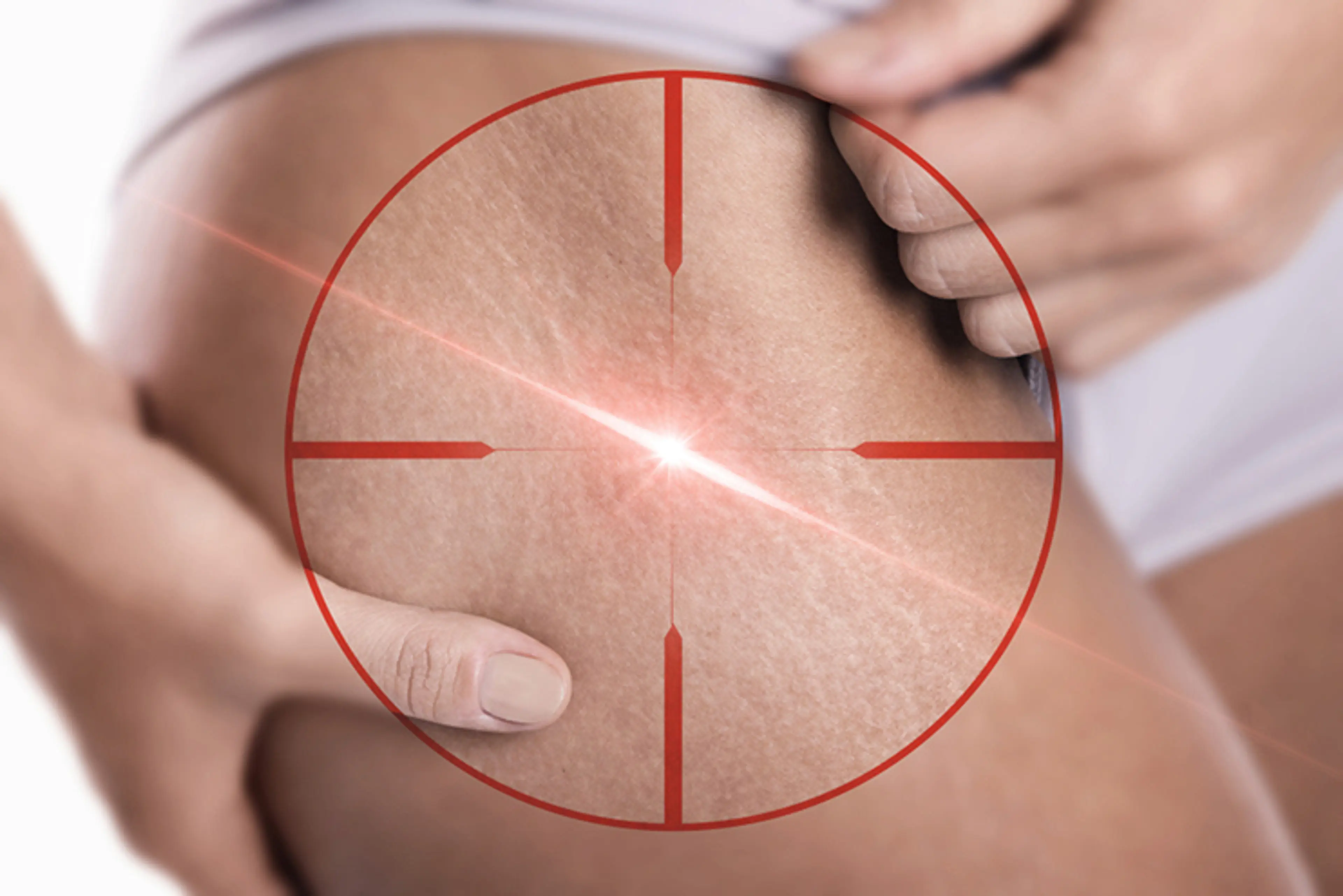
understanding-stretch-marks:-why-lasers-are-usedStretch marks (striae) are a form of dermal scarring. They occur when the skin stretches rapidly—due to growth, pregnancy, weight changes, or hormonal shifts. Initially red or purple, they eventually fade into white, silvery lines. This process reflects damage at the dermal layer of the skin, not just the surface.
Lasers aim to stimulate collagen and elastin production in the dermis, improving the texture, color, and elasticity of the skin over time. These devices can help fade discoloration, smooth rough textures, and increase the density of the skin in affected areas.
Importantly, stretch marks are permanent scars—but with the right laser, they can become less visible and more integrated into the surrounding skin tone and texture.
Top Laser Treatments Worth Considering
top-laser-treatments-worth-considering
1. Fractional CO₂ Laser
1.-fractional-co-laserBest for: Mature, white/silvery stretch marks that are well-established.
How it works: Delivers focused micro-injuries to the dermis, triggering a wound-healing response. This process encourages the growth of fresh collagen and elastin fibers.
Downtime: Moderate. Expect redness, swelling, and peeling for a few days post-treatment.
Why it’s effective: CO₂ lasers are ablative, meaning they remove skin layers while simultaneously heating the deeper tissue—a dual action that accelerates remodeling. Ideal for those ready to invest in visible results with recovery time.
Clinical insight: In our experience, patients typically require 3–5 sessions, spaced 4–8 weeks apart, with maintenance annually. Not recommended for darker skin types due to risk of hyperpigmentation unless settings are expertly adjusted.
2. Erbium:YAG Laser
2.-erbium:yag-laserBest for: Mild to moderate stretch marks and patients concerned about downtime.
How it works: Targets water in the skin, creating controlled ablation with less heat than CO₂.
Downtime: Mild redness or flaking for 1–3 days.
Why it’s effective: Erbium offers a precise resurfacing effect, stimulating collagen with minimal inflammation. Particularly useful for early-stage marks or lighter skin types.
Clinical insight: Great choice for patients with busy lifestyles who want progressive improvement. May be less effective for deep dermal scars compared to CO₂.
3. Fractional Non-Ablative Lasers (e.g. Fraxel Re:store)
3.-fractional-non-ablative-lasers-(e.g.-fraxel-re:store)Best for: Gradual improvement of texture and pigmentation in all skin tones.
How it works: Penetrates deep into the skin without removing the surface layer, heating tissue to encourage repair.
Downtime: Very minimal; some redness, swelling, or dryness.
Why it’s effective: Suitable for patients with darker skin tones or those avoiding downtime. Results build over a series of sessions.
Clinical insight: We often recommend this for international patients passing through Seoul who want safe, effective care with little disruption to travel plans.
Supportive Laser Types for Red or Early Stretch Marks
supportive-laser-types-for-red-or-early-stretch-marksPulsed Dye Laser (PDL)
pulsed-dye-laser-(pdl)Best for: Newly formed red or purple stretch marks (striae rubrae).
Function: Targets the hemoglobin in blood vessels, reducing redness and visible inflammation.
Downtime: Minimal; some mild swelling or bruising.
Limitation: Improves color but not texture. Often used as a preparatory step before deeper remodeling treatments.
Clinical insight: We use this for younger patients or postpartum clients wanting to reduce visual redness early on. Combining it with topical retinoids can enhance results.
Lasers and Devices That Often Underdeliver
lasers-and-devices-that-often-underdeliverLow-Level Laser Therapy (LLLT)
low-level-laser-therapy-(lllt)Marketed As: LED therapy, cold laser, photobiomodulation.
Reality: Provides superficial stimulation of skin metabolism but lacks depth.
Best case: Mild support for collagen synthesis in very early marks.
Why it’s limited: Doesn’t reach the dermal layer where real scar remodeling occurs.
Clinical insight: Sometimes used as a supplement after more aggressive treatments, but not a standalone solution.
"Scar Erasing" or "Guaranteed Removal" Lasers
"scar-erasing"-or-"guaranteed-removal"-lasersRed Flag: Any clinic advertising total removal of stretch marks with a single device.
Reality: No laser—even the most advanced—can completely remove stretch marks.
Why it’s misleading: Stretch marks are permanent dermal scars. Lasers remodel and fade; they do not erase.
Clinical insight: We educate every patient on what to expect. Managing hope with honesty builds trust and long-term satisfaction.
Choosing the Right Treatment: A Quick Matrix
choosing-the-right-treatment:-a-quick-matrix
Stretch Mark Type | Recommended Laser | Considerations |
|---|
Red/Purple (new) | Pulsed Dye Laser | Targets vascularity; minimal textural help |
White/Silvery (old) | CO₂, Erbium, or Fraxel | Best for remodeling texture and tone |
Sensitive or dark skin | Non-ablative or Erbium | Lower pigmentation risk |
Minimal downtime desired | Non-ablative fractional laser | Requires more sessions for results |
This guide helps patients have informed conversations with providers and set realistic expectations based on their goals, lifestyle, and skin type.
What to Know Before You Commit
what-to-know-before-you-commit1. You’ll Likely Need Multiple Sessions
1.-you'll-likely-need-multiple-sessionsNo laser treatment works in one sitting. Most patients need 3–6 sessions spaced several weeks apart to achieve visible improvement. Collagen remodeling is a gradual biological process, not an instant fix.
2. Skin Type Matters
2.-skin-type-mattersDarker skin tones (Fitzpatrick types IV–VI) are more prone to post-inflammatory hyperpigmentation. This means laser settings must be tailored carefully, and non-ablative options are often preferred.
3. Stretch Mark Age Impacts Results
3.-stretch-mark-age-impacts-resultsThe fresher the stretch mark, the better the chance of improvement. Treating striae rubrae (red marks) early can minimize their long-term visibility. Older striae alba (white marks) require more intensive resurfacing.
4. Downtime Varies
4.-downtime-variesCO₂ laser comes with several days of recovery. Erbium lasers are milder. Non-ablative lasers let you return to work the next day, but may require more sessions.
5. Realistic Expectations Are Key
5.-realistic-expectations-are-keyLaser treatments reduce the contrast between scarred and healthy skin. Expect subtle to moderate improvement, not erasure. Set your sights on texture smoothing, color blending, and improved skin quality.
DoctorPetit Myeongdong's Take: Tailored, Honest Care
doctorpetit-myeongdong's-take:-tailored-honest-careAt DoctorPetit, we never take a one-size-fits-all approach. Every patient is evaluated with precision and honesty:
Consultation: We assess skin type, stretch mark duration, sensitivity, and lifestyle needs.
Technology Match: CO₂ for deep remodeling, Erbium for lighter correction, non-ablative for safer, buildable results.
Customized Planning: Some patients need a combination of vascular and resurfacing lasers. Others benefit from topical support in between sessions.
Aftercare Matters: We guide patients through healing with personalized skincare, SPF usage, and lifestyle adjustments to maximize results and minimize risks.
We’re not here to promise overnight transformations. We’re here to offer natural, gradual improvements that respect your body’s history and your skin’s integrity.
In Summary
in-summaryIf you’re considering laser treatment for stretch marks, prioritize personalized care and proven technologies. The best outcomes come from clinics that understand skin physiology, offer transparent expectations, and match technology to individual needs.
Lasers are a powerful tool—but only when used with clinical insight and patient-centered planning.
And if you’re passing through Seoul, DoctorPetit Myeongdong offers safe, effective laser options for stretch marks—with multilingual support, medically certified equipment, and aesthetic experts who prioritize your confidence and comfort.
Want to know which laser fits your skin and goals? Book a consultation today.