Home / Articles
After Thread Lifting: 5 Recovery Tips You Can’t Skip
Home / Articles
After Thread Lifting: 5 Recovery Tips You Can’t Skip
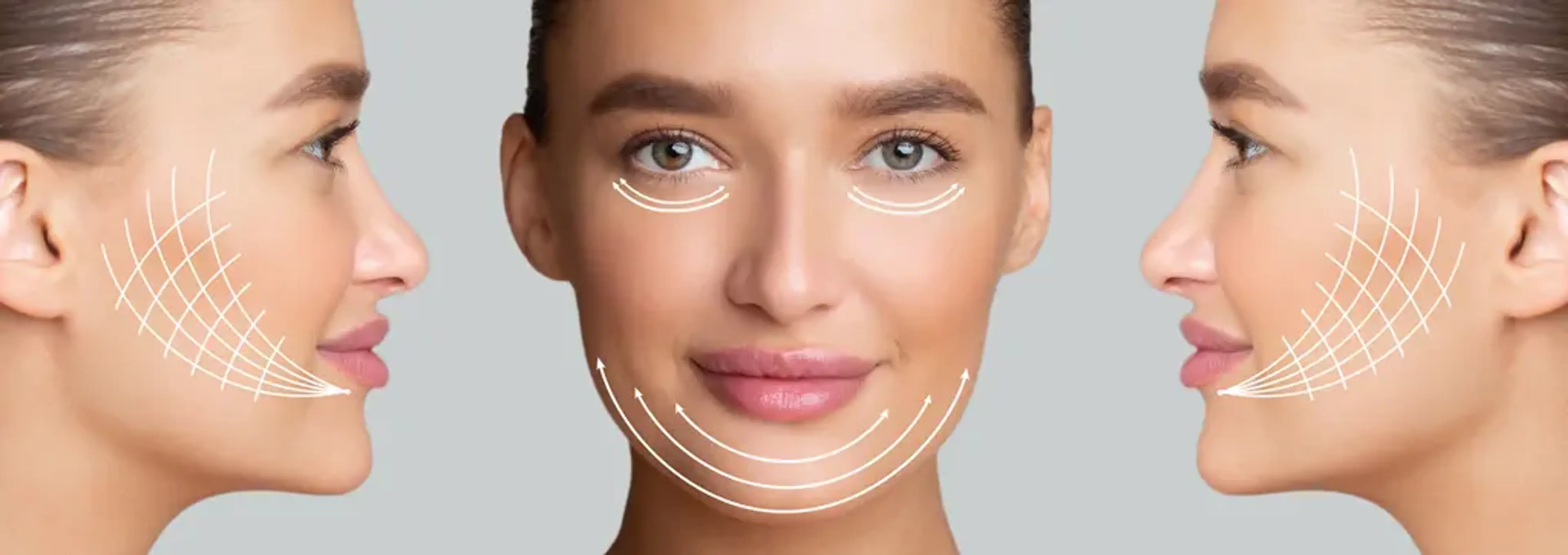
Thread lifting is a minimally invasive cosmetic procedure that lifts and tightens the skin using threads inserted under the surface. As it becomes a popular alternative to traditional facelifts, the procedure offers significant benefits with relatively less downtime. However, recovery is an essential part of the process to ensure the best results. Understanding how to care for your skin post-procedure can help you recover more effectively and maintain long-lasting results.
After your thread lift procedure, your healthcare provider will give you a set of personalized aftercare instructions. These instructions are critical for minimizing complications and ensuring the results last. Adhering to these guidelines is the first step in your recovery.
The treated area must be kept clean to prevent infection. Your provider will recommend specific cleansing routines using mild, non-irritating products. Avoid harsh exfoliants, active skincare ingredients like retinoids, and other strong products that could irritate your skin.
You may experience some discomfort, but in most cases, pain is minimal. Your provider might suggest over-the-counter pain medications or prescribe something stronger. Always follow the recommended dosage. If you experience persistent pain or any unusual sensations, contact your healthcare provider.
It's essential to attend follow-up appointments to ensure proper healing. Your doctor will monitor the treated area for any potential complications, such as infection or thread displacement. These visits are also an opportunity to discuss the results and address any concerns you may have during recovery.
After your procedure, your skin will be sensitive, and the threads need time to settle in place. Avoid touching, rubbing, or massaging the treated areas for at least the first few days.
The threads inserted during a thread lift are designed to stimulate collagen production and provide lifting effects. Touching the treated areas may disrupt the placement of these threads, potentially leading to complications like infection or displacement. Excessive manipulation could also increase the risk of swelling and bruising.
Resist the urge to inspect or touch the treated areas often. If you're concerned about the results, schedule a follow-up appointment with your provider rather than checking or pressing on the area yourself.
Strenuous physical activities increase blood flow, which can result in swelling and bruising in the treated areas. Activities that elevate your heart rate, such as intense exercise, running, and heavy lifting, should be avoided for at least a week following the procedure.
High-intensity exercise could also increase the risk of displacing the threads, delaying healing, or causing discomfort. It's essential to let your body focus its energy on the recovery process instead of physical exertion.
For the first few days, it’s advisable to rest and limit any physical exertion. After about a week, you can start engaging in light activities like walking or stretching, but always check with your healthcare provider before resuming more intense exercise.
Swelling and bruising are common after a thread lifting procedure. Though these effects usually subside within the first 1-2 weeks, there are several ways to manage them and speed up recovery.
Applying a cold compress or ice pack (wrapped in a cloth) to the treated areas during the first 48 hours can significantly reduce swelling. Do this for 15–20 minutes at a time, several times a day. Cold therapy helps constrict blood vessels and minimizes the inflammatory response.
To reduce swelling, sleep with your head elevated for the first few nights. Use extra pillows to prop up your head, or sleep in a recliner. This will encourage fluids to drain away from the face and decrease swelling.
While cold compresses can reduce swelling, heat should be avoided. Hot showers, saunas, and sun exposure can exacerbate swelling and bruising, delaying the healing process. Stick to lukewarm temperatures for the first few weeks after your procedure.
If the swelling is significant, over-the-counter anti-inflammatory medications, such as ibuprofen, may help reduce it. However, always consult your healthcare provider before taking any medication to ensure it is safe and appropriate for your condition.
Although the immediate results of a thread lift can be visible right after the procedure, the full effects may take several months to fully emerge. The process involves stimulating collagen production, which helps improve skin elasticity and firmness over time.
Thread lifting works by stimulating the body’s natural collagen production. Collagen is a protein that helps maintain skin structure and provides lifting effects. While results begin to appear shortly after the procedure, the final outcome takes time, as the body gradually produces new collagen in the treated area. This can take up to 3–6 months.
Patience is key during recovery. While it may be tempting to pursue additional treatments to enhance results, it's important to wait for the full effects of the thread lift to manifest before considering other procedures. Overloading the treated areas too soon can lead to complications or over-correction.
Thread lifts typically last between 12-18 months, depending on your skin type, age, and lifestyle factors. During this time, the collagen stimulated by the procedure continues to support and improve the skin's structure, providing a natural, youthful lift. After this period, you may want to consider a maintenance procedure, but always allow your skin enough time to heal first.
Remember to follow your healthcare provider’s instructions, avoid unnecessary physical strain, manage swelling, and be patient as your skin recovers and rejuvenates. The result will be well worth the time and care you invest in the process.