Introduction
introduction:-the-challenge-of-aging-gracefully-in-a-fast-paced-worldYou notice it again: the tiny red bumps that weren’t there last week, the surface that suddenly feels bumpy, tender, or inflamed — and you just checked your calendar. It’s that time of the month again.
Hormonal acne flares before menstrual cycles are one of the most common skin frustrations among adults — and especially for people in their 20s to 40s. If you’re wondering why this happens, whether it’s normal, and what you can do about it without harsh drugs or endless creams, you’re not alone.
At DoctorPetit in Myeongdong, we see this pattern daily: thoughtful patients who want natural‑looking improvements, not just coverage. Let’s dive into the what, why, and how of pre‑period acne and the customized treatments that actually help.
Why Acne Flares Before Your Period
why-acne-flares-before-your-periodEvery cycle, your hormones are doing a complex choreography. The two main players linked to acne are:
About a week or two before your period, estrogen dips and progesterone rises. For many people, this shift stimulates the sebaceous (oil) glands, thickens sebum, and makes hair follicles more likely to clog. Those tiny blocked pores can quickly become inflamed pimples.
To be honest, most of our patients describe it like a rumble before a storm: everything seems fine until your period week approaches — then suddenly, acne pops up. That’s the hormonal rhythm talking.
Typical Signs of Pre‑Period Acne
typical-signs-of-preperiod-acneHere’s what distinguishes hormonal flares:
Timing
timingFlares reliably occur about 7–10 days before menstruation and often calm down once bleeding starts.
Location
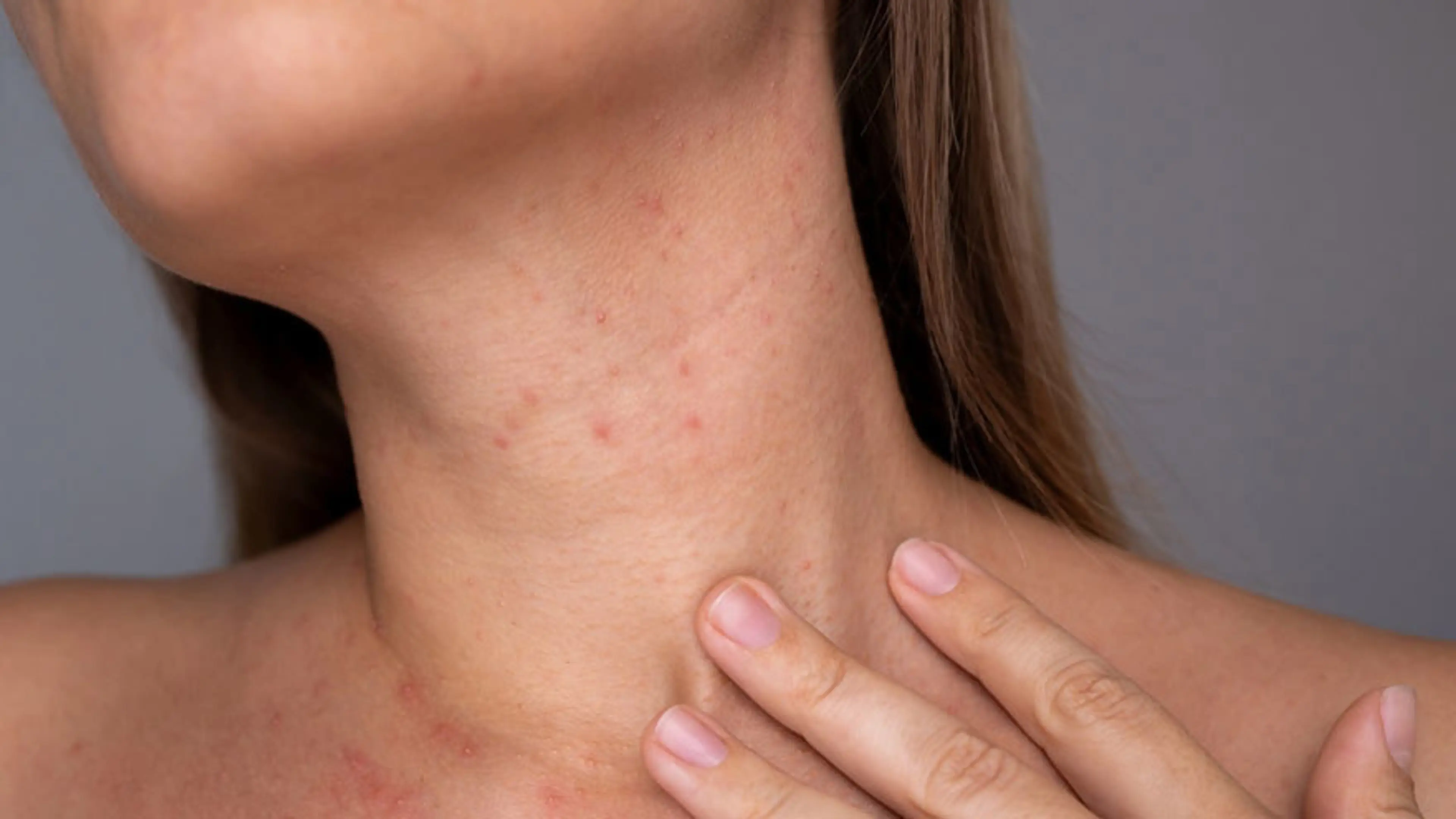
Hormonal acne often appears on the lower face, especially:
Texture
textureThese are often deep, painful, subdermal bumps rather than surface blackheads — particularly frustrating because they don’t respond well to ordinary topical cleansers.
Everyday Habits That Help — Before Clinic Treatments
everyday-habits-that-help-before-clinic-treatments
Before we talk about in‑clinic solutions, let’s start with what you can do at home that actually makes a difference:
1. Keep clean but don’t strip
1.-keep-clean-but-don't-stripUse a gentle, pH‑balanced cleanser morning and night. Over‑cleansing can trigger rebound oil production.
2. Watch sugar and dairy around your cycle
2.-watch-sugar-and-dairy-around-your-cycleSome patients I’ve treated notice flare severity correlates with high‑glycemic foods and dairy intake before their period. It varies by person, but paying attention helps.
3. Consistent sleep and stress control
3.-consistent-sleep-and-stress-controlCortisol spikes can amplify hormonal acne. The week before your period is the worst time to skimp on sleep.
These steps aren’t quick fixes — but they make clinic treatments work better and longer.
Petit‑Level Aesthetic Treatments That Calm Hormonal Acne
petitlevel-aesthetic-treatments-that-calm-hormonal-acneAt DoctorPetit, we tailor acne control to your skin type, sensitivity, and cycle patterns — always with an eye toward natural, healthy skin, not aggressive flattening or irritation.
Below are the most effective in‑clinic options we use for hormonal flares:
1. Pico Laser for Inflammation and Dark Marks
1.-pico-laser-for-inflammation-and-dark-marksPico laser isn’t just for pigmentation — it’s excellent at:
calming active inflammation
reducing redness and post‑acne marks
speeding up cellular turnover
For hormonal acne, we time sessions during the late follicular phase (before symptoms peak) to help reduce downstream outbreaks.
Patients often describe the sensation as quick pulses — tolerable and precise — and results build over a few treatments.
2. Mild Chemical Peels (Lactic or Low‑Strength Salicylic)
2.-mild-chemical-peels-(lactic-or-lowstrength-salicylic)Contrary to intense peels that strip and irritate, gentle peels help by:
clearing follicular buildup
balancing oil without over‑drying
modestly accelerating exfoliation
We recommend courses of monthly peels leading up to the pre‑period window rather than aggressive single‑time peels that can backfire.
Imagine this like resetting the skin’s surface rhythm rather than sloughing it off violently.
3. LED Light Therapy for Calm and Control
3.-led-light-therapy-for-calm-and-controlRed and blue LED light therapy is one of the most under‑appreciated tools:
Sessions are painless, usually ~20 minutes, and feel like a calm warmth. Many patients book LED 2–3 times in the week before their period as a proactive routine.
4. Customized Topical Serums (Clinic‑Formulated)
4.-customized-topical-serums-(clinicformulated)Over‑the‑counter products often promise the world — but without the right base, high doses of actives like benzoyl peroxide or retinoids can irritate and worsen sensitivity.
In clinic, we formulate serums with:
niacinamide (anti‑inflammatory)
azelaic acid (antibacterial + pigment control)
low‑strength salicylic acid (follicular clearing)
botanical extracts for barrier support
These are prescribed based on your skin’s current condition and cycle timing, so you aren’t battling irritation and acne at the same time.
5. Sebum‑Balancing Ultrasound or Microcurrent
5.-sebumbalancing-ultrasound-or-microcurrentHormonal acne often has an oil‑production component. Treatments like:
ultrasound energy
microcurrent skin toning
help subtly enhance the skin’s microcirculation and balance sebum output. They’re gentle and frequent favorites for patients who want maintenance rather than downtime.
What About Hormonal Treatments (Birth Control, Spironolactone)?
what-about-hormonal-treatments-(birth-control-spironolactone)
Yes, these systemic options can help hormonal acne — especially when flares are severe and recurring year after year.
But the reality is: not everyone wants oral medication or can tolerate it. At DoctorPetit, we don’t push pills first. We evaluate your whole cycle, history, and goals — and sometimes combine topical, in‑clinic, and systemic options only if it’s truly the best plan for you.
For patients with irregular cycles, acne that persists beyond the pre‑period window, or other endocrine clues (excess facial hair, irregular periods), we often work with gynecologists and endocrinologists for comprehensive care.
When You Should See a Specialist
when-you-should-see-a-specialistAcne that:
persists beyond the week before your period
leaves deep pitted scars
is painful or cystic
isn’t responding to OTC care
…is worth professional evaluation. Hormonal flares often feel cyclical, but they can be compounded by stress, diet, microbiome imbalance, or skincare misuse.
Visiting a specialist means you get:
that avoid the common mistake of “over‑treating”.
What Real Patients Notice
what-real-patients-noticeHere’s what many of our patients share after a few months of cycle‑aware care:
fewer deep cysts before periods
less redness and quicker healing
smoother texture overall (even in the luteal phase)
less reliance on heavy concealers
One patient said it perfectly:
“It’s not that acne disappeared forever — it’s that my skin stopped flaring like a mini volcano every month.”
That’s the goal: control and calm, not masking.
A Simple Routine to Try This Month
a-simple-routine-to-try-this-monthHere’s an example of a balanced approach that thousands of patients have used successfully:
Daily (All Month)
daily-(all-month)Mid‑Cycle (Day 10–12)
midcycle-(day-10-12)Pre‑Period (About 7 Days Before)
preperiod-(about-7-days-before)Pico laser or LED (2–3 sessions)
prescription anti‑acne serum
avoid heavy makeup and occlusive sunscreens
Once Period Starts
once-period-startsTailor this with a specialist — everyone’s cycle and skin is unique.
Final Thoughts: Acne Doesn’t Have to Be a Monthly Battle
final-thoughts:-acne-doesn't-have-to-be-a-monthly-battleHormonal acne flares before periods are extremely common — but you don’t have to suffer through them alone or blindly. Understanding the why behind the flare helps you choose the how of treatment.
At clinics like DoctorPetit in Myeongdong, we focus on:
cycle‑synced care
gentle but effective tech (Pico, LED, peels)
barrier‑safe, personalized serums
education and realistic expectations
Beauty isn’t about erasing every imperfection. It’s about creating a skin environment that responds, adapts, and thrives — even during hormonal shifts.